The Canada–US corridors we run most — both directions, one carrier, customs handled. Pick your corridor or get a written quote for any city-to-city cross-border move.
A cross-border household move requires a carrier licensed to operate in both countries, a declaration of goods filed with customs at the port of entry, and coordination between two regulatory environments. Motion Transport holds the licensing to run both sides without a handoff, prepares the BSF186 and BSF186A forms for Canadian-bound moves, and delivers door to door under a single bill of lading.
Household moves into Canada require a BSF186 goods-to-follow list and, where applicable, a BSF186A accompanying goods list. Both are filed with the Canada Border Services Agency at the port of entry on the day of crossing. Errors or omissions on these forms can cause holds that delay delivery by days. Motion prepares the documents and reviews them with the customer before the move begins.
Used personal and household effects are generally duty-free when a person is relocating to Canada. Returning residents must have owned and used the goods abroad for at least six months to claim relief under tariff item 9805.00.00. Settlers arriving for the first time are assessed under different CBSA conditions. Neither exemption is automatic; the goods must be declared correctly at the port of entry.
Most cross-border household moves involve two carriers: one on each side of the border, with a transfer at a depot near the crossing. Motion operates under its own authority in both Canada and the United States, so the same truck and crew handle the entire move. There is no transfer point, no second bill of lading, and no gap in accountability between the two countries.
Motion runs each corridor in both directions and loads the return leg when freight is available. This operating model means the service exists for northbound and southbound customers alike, without treating one direction as a specialty or surcharge item. Customers moving from the US to Canada access the same single-carrier, customs-handled service as those moving south.
Fill in the form beside this and a specialist will text you back in five minutes with next steps.
Motion Transport runs household moves between Canada and the United States without handing your shipment to a second carrier at the border. The same truck and crew carry your goods from origin to destination, and Motion prepares the customs documentation on your behalf. That single chain of custody removes the handoff delays and coordination gaps that come with broker-style arrangements, regardless of which side of the border you are leaving from.
Demand runs both ways on every corridor. Canadians relocate south for work, retirement, and climate. Americans move north to join partners, take postings, or return after years abroad. Because Motion fills trucks on the return leg of each run, the economics of running empty in one direction do not fall on any single customer.
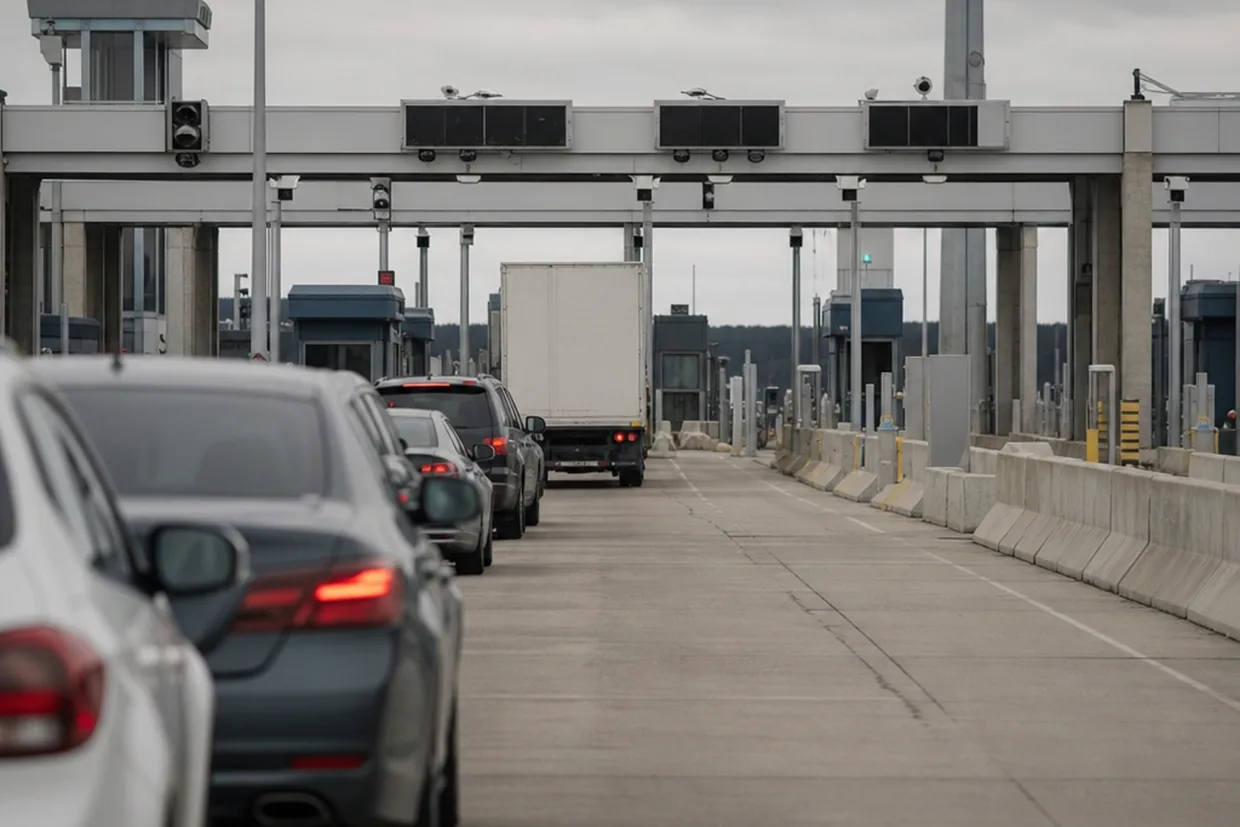
Your goods ride on one truck with one crew from pickup address to delivery address, no transfer at the border.
Motion prepares your BSF186 goods-to-follow list or accompanying goods declaration before the crossing, reviewed with you at quote time.
The crew loads at origin and unloads at destination. You are not responsible for shuttling goods to a depot on either side.
Your shipment is covered under Motion’s cargo-liability policy for the full journey, including the border crossing itself.
The quote you receive before booking covers the move. Brokerage fees and border handling charges are not added after the fact.
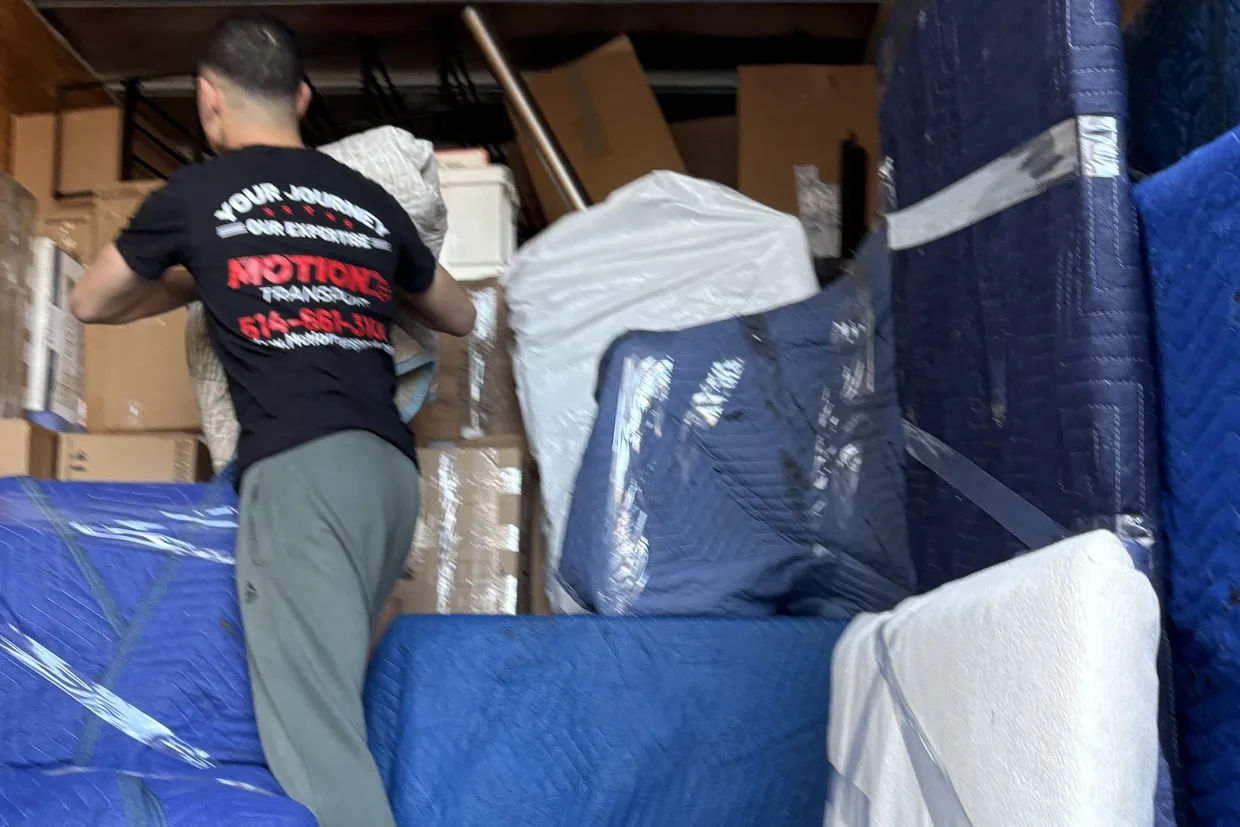

No. Motion operates as a single carrier in both countries. The same truck and crew cross with your goods. There is no handoff to a second carrier at the border, which keeps your shipment in one unbroken chain of custody from pickup to delivery.
Moves into Canada require a BSF186 goods-to-follow list and, where applicable, a BSF186A accompanying goods list, filed with the Canada Border Services Agency at the port of entry. Motion prepares these documents and reviews them with you before the move date.
Used personal and household effects are generally duty-free when relocating. Returning Canadian residents must have owned and used the goods abroad for at least six months under tariff item 9805.00.00. First-time settlers are assessed under different conditions. Motion explains what applies to your situation.
Transit depends on the corridor, border wait times on the crossing day, and the time of year. Motion provides a ballpark window for your specific route at quote time.
Yes. Motion runs Canada to US and US to Canada on all corridors it serves. Return loads fill the truck on the back leg, which is part of how the service remains available in both directions without treating one direction as a premium run.
A specialist reviews your route and texts you back in five minutes.