We move households both ways across the border between Oregon and Canada — one truck, one crew, customs handled, no transfer. Written, flat quotes after a quick video call.
Moving between Oregon and Canada means crossing an international border with a full household shipment. Motion holds the operating authority to run the route end to end under one carrier number, prepares the Canadian and US customs paperwork before loading day, and delivers without transferring your goods to a second carrier at the Pacific Highway port of entry.
When moving household goods from Oregon to Canada, the importer files a BSF186 goods-to-follow list and a BSF186A accompanying goods list with the Canada Border Services Agency at the port of entry. These forms identify which items travel with the shipment and which arrive later. Filing errors or missing documents can result in holds at the crossing, so preparing them accurately before loading day is essential.
Used personal and household effects are generally duty-free when a person relocates to Canada, but the conditions differ by immigration status. Settlers bringing goods to Canada for the first time are assessed under CBSA settler conditions. Returning Canadian residents who owned and used the goods outside Canada for at least six months may claim duty-free entry under tariff item 9805.00.00. Neither category covers items purchased specifically for the move.
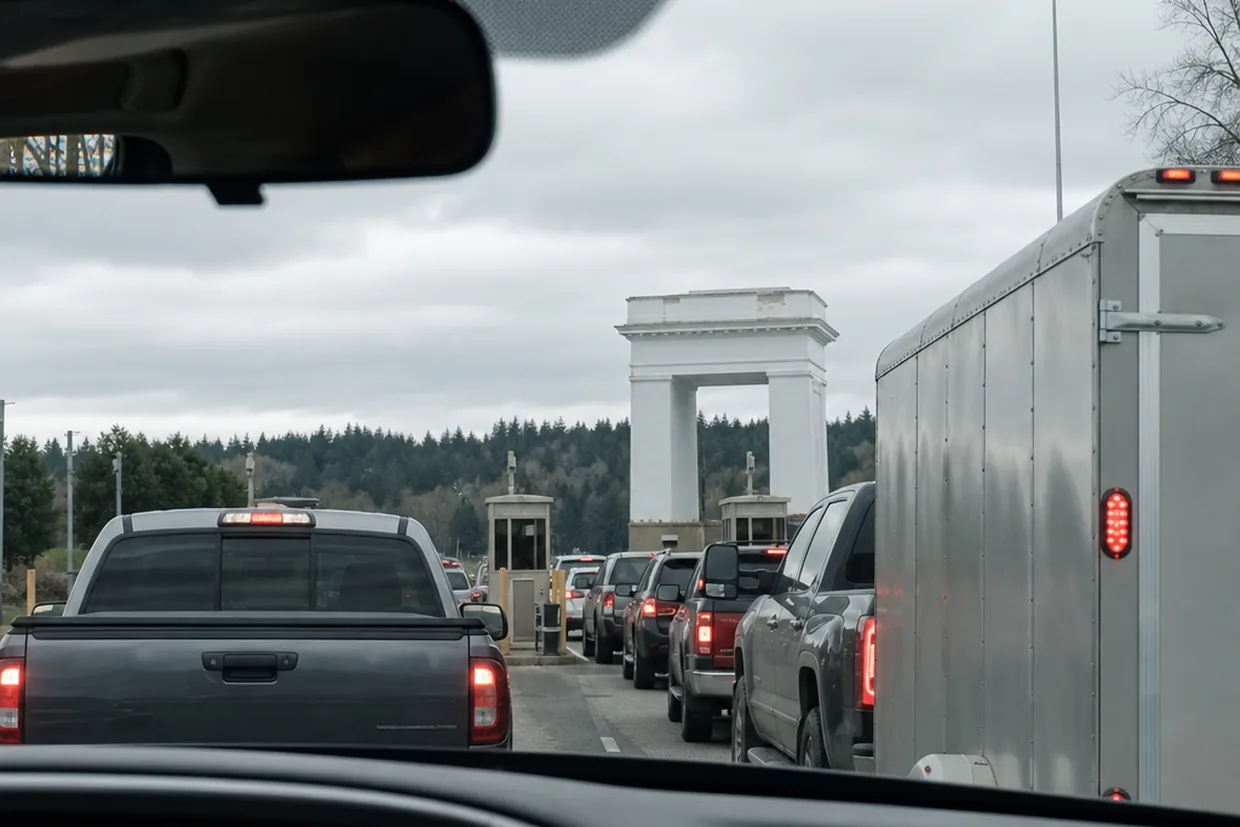
Oregon-bound and Canada-bound moves on this corridor typically route north on Interstate 5 through Washington State and cross at the Pacific Highway port of entry between Blaine, Washington and Surrey, British Columbia. This is the primary commercial truck crossing for Pacific Northwest cross-border freight and the point where customs declarations are presented to CBSA and US CBP officers.
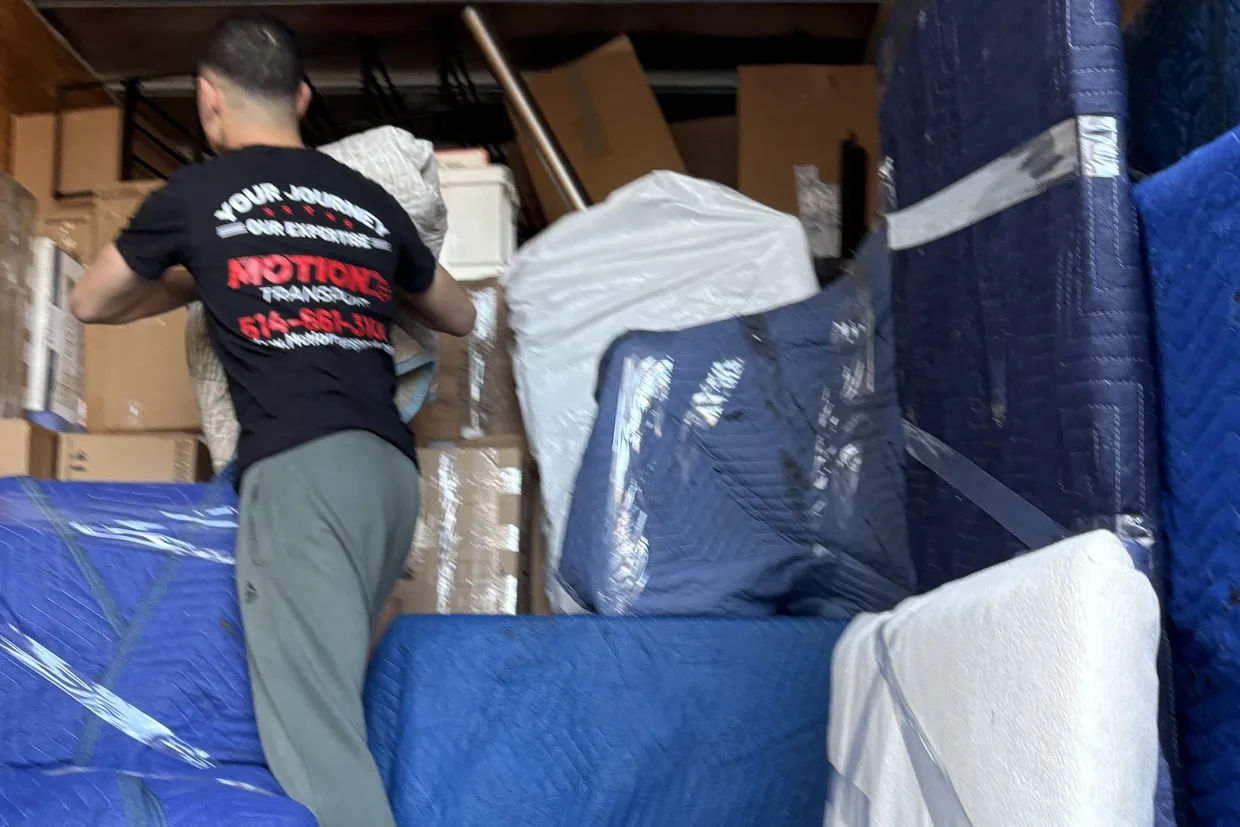
Motion runs this corridor under a single operating authority, which means the truck that loads in Portland, Salem or Eugene is the same truck that delivers in Vancouver, Calgary or Toronto. No goods are transferred to a second carrier at the border. This matters for insurance continuity, chain of custody and scheduling because a handoff point is where delays and damage most often occur on cross-border household moves.
Fill in the form beside this and a Motion specialist will text a written quote for your Oregon move within five minutes.
Oregon sits closer to British Columbia than to most of Canada, which makes the Pacific Highway crossing at Surrey a natural gateway for this corridor. Motion runs households both ways between Oregon and Canada on a single truck with one crew. There is no transfer at the border. Customs documentation is prepared in both directions, covering Canadian and US requirements, so you are not sourcing a separate broker or filing forms on your own.
Traffic on this corridor flows in both directions. Canadians relocating to Portland, Salem and Eugene are offset by Americans moving north to Vancouver, Victoria and beyond. Motion fills the truck on the return leg, which keeps the service viable and means you are not paying to move an empty vehicle.
Your goods stay on one Motion truck from Oregon to the Canadian destination with no handoff at the border and no second carrier involved.
Motion prepares the manifest and required forms for both Canadian and US customs, covering BSF186 goods-to-follow lists where applicable.
Coverage travels with your shipment across the border. The amount is confirmed in your written quote and there are no surprise add-on fees at delivery.
Furniture and fragile items are wrapped and padded by the crew before loading. No separate packing surcharge is added to the base quote.
An accurate inventory and written quote is produced after a short video call. No in-person visit is required before your move date is confirmed.

Yes, Motion runs both directions on this corridor. Southbound loads from BC and other Canadian provinces to Oregon, Portland and the coast are booked the same way as northbound moves, with customs handled either way and no carrier transfer at the border.
Used personal and household effects are generally duty-free when relocating to Canada. Settlers bring goods in under specific CBSA conditions. Returning Canadian residents must have owned and used the goods abroad for at least six months under tariff item 9805.00.00. Motion walks you through this at quote time.
Most Oregon moves route up I-5 through Washington and cross at the Pacific Highway port of entry between Blaine, Washington and Surrey, BC. This is the main commercial truck crossing for the Pacific Northwest corridor and is where customs documents are presented to CBSA officers.
You will typically file a BSF186 goods-to-follow list and a BSF186A accompanying goods list with the Canada Border Services Agency at the port of entry. Motion prepares these documents with you before loading day so nothing is missing at the crossing.
Transit time depends on the destination city and the fulfilment schedule for your lane. Your written quote will include a delivery window confirmed at booking.
A Motion specialist texts you back within five minutes of your video call.