We move households both ways across the border between Florida and Canada — one truck, one crew, customs handled, no transfer. Written, flat quotes after a quick video call.
Moving from Florida to Canada involves hiring a carrier licensed in both countries, declaring household goods at the border crossing, and filing Canadian customs forms that list every item being imported. The same corridor operates in reverse for moves from Canada to Florida.
Canadians returning to Canada and new residents must complete a BSF186 goods-to-follow list and a BSF186A list of goods accompanying them, submitted to Canada Border Services Agency at the port of entry.
Used personal and household effects are generally duty-free when you are relocating. Returning residents must have owned and used the goods abroad for at least six months; settlers bringing goods to Canada for the first time are assessed under different conditions.
Motion Transport moves shipments from Florida cities including Miami, Fort Lauderdale, Orlando, and Tampa directly to Canadian destinations such as Toronto, Montreal, Calgary, and Vancouver, crossing at established ports including Ambassador Bridge, Peace Bridge, and Lacolle-Champlain without transferring the load to a second carrier.
The corridor runs both ways: northbound moves from Florida to Canada peak in spring as snowbirds return, while southbound moves from Canada to Florida peak in autumn.
Fill in the quote form beside this text to get an estimate for your specific origin and destination.
Motion Transport runs scheduled moves between Florida and Canada year-round, covering Miami, Fort Lauderdale, Orlando, and Tampa on the Florida side and major Canadian cities from Toronto to Vancouver. Both directions ship on the same trucks, so your space is never wasted on a one-way run.
Florida is the snowbird corridor. Southbound volume peaks in autumn as Canadians head down for winter; northbound peaks in spring on the return. Because we run both directions regularly, you get realistic transit windows in either season rather than waiting for a truck that only runs one way.

Door-to-door service between your Florida address and your Canadian destination, or the reverse.
Motion Transport manages the customs documentation at the US-Canada crossing so you are not coordinating with a separate broker.
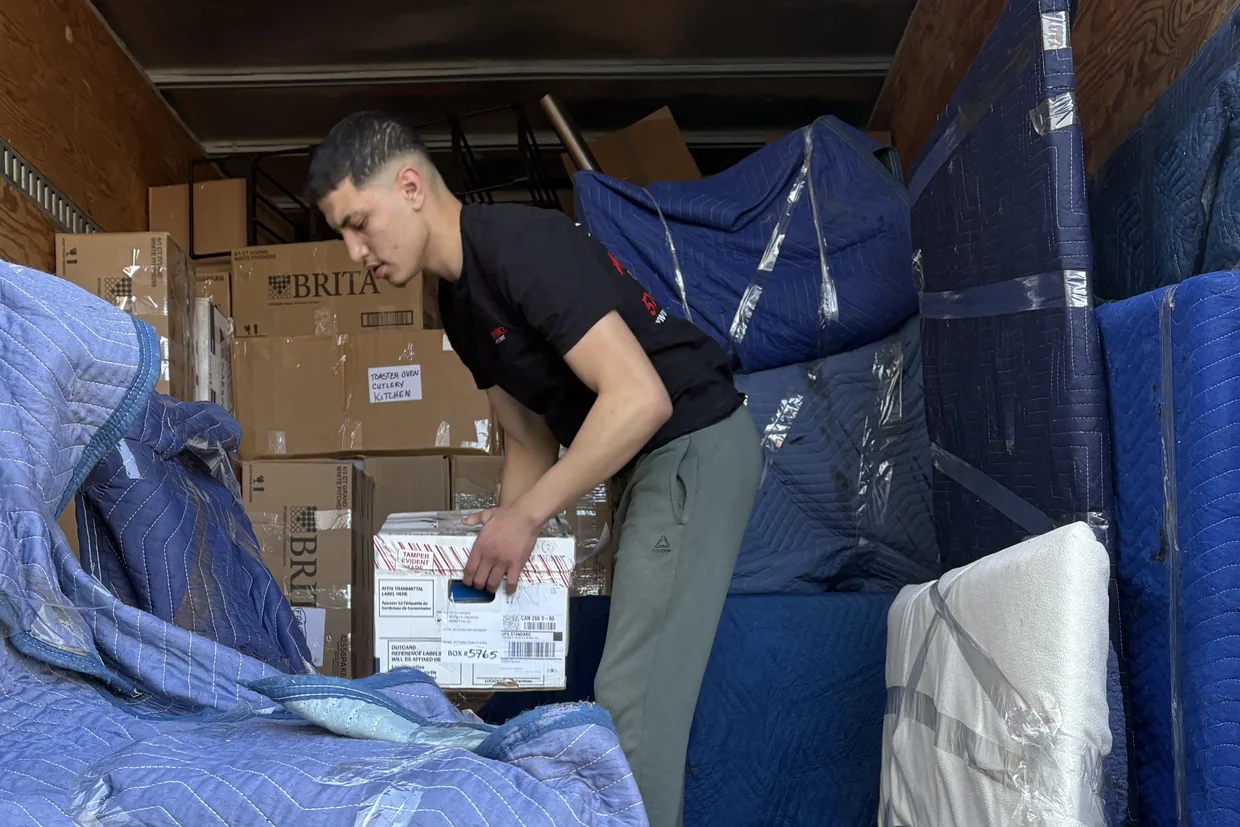
Blanket wrapping and pad protection on furniture and large items throughout the haul.
Ship as a partial load alongside other moves on the same corridor, or book the truck exclusively if your volume warrants it.
You know where your shipment is and who to call. One point of contact from booking to delivery.

Toronto and Montreal corridors typically run three to five days in transit. Western Canada origins like Calgary or Vancouver add several days given the distance. Actual windows depend on load date, crossing conditions, and your specific cities.
Both directions run on the same trucks. Northbound and southbound shipments travel together, which keeps schedules consistent year-round rather than limiting you to one-directional hauls.
Motion Transport handles the crossing documentation on your behalf. You provide an accurate inventory of your goods before pickup. The driver presents the paperwork at the port of entry; you do not need to be present at the border.
Southbound slots in September through November and northbound slots in March through May fill quickly due to snowbird demand. Booking a few weeks in advance is enough outside those windows; earlier is better during peak season.
Partial loads are common on Florida corridors. Your items share space with other shipments heading the same direction. This keeps costs proportional to your actual volume without requiring you to pay for an empty truck.
Tell us your origin, destination, and timing. Motion Transport will come back with a straightforward quote and a schedule that fits your move.