We move households both ways across the border between Texas and Canada — one truck, one crew, customs handled, no transfer. Written, flat quotes after a quick video call.
A Texas to Canada move, or the reverse, is a multi-day long-haul crossing one international border. The driver carries a complete inventory list, a BSF186 goods-to-follow declaration and, where goods accompany the shipment, a BSF186A list filed with the Canada Border Services Agency at the port of entry. Motion prepares both forms and crosses on a single truck so no transfer occurs at the border.
The Canada Border Services Agency requires a BSF186 goods-to-follow list for items shipped separately and a BSF186A accompanying goods list for items arriving with the traveller. Both are filed at the port of entry on the day of crossing. Motion prepares these forms as part of the move. Errors on either form can result in a hold at the border that adds days to a long-haul delivery.
Used personal and household effects are generally duty-free when a person is relocating to Canada. Returning Canadian residents must have owned and used the goods outside Canada for at least six months to qualify under tariff item 9805.00.00. Settlers arriving for the first time are assessed under separate conditions. Neither exemption applies automatically; the correct declaration must accompany the shipment at the port of entry.
From Toronto to Houston is roughly 2,900 km; from Montreal to Dallas is roughly 3,100 km; from Calgary to Houston is roughly 3,600 km. Southbound trucks most often cross at Laredo on I-35. Northbound returns into Ontario typically use the Ambassador Bridge at Windsor or the Peace Bridge at Fort Erie, depending on the destination city.
Cross-border household moves commonly involve one carrier on the Canadian side and a second US carrier taking over at the border, with a transfer and reload. Motion operates on both sides of the border under a single carrier agreement, so the truck that loads in Texas or in Ontario is the truck that delivers. No reload means no added risk of damage or delay at the handoff point.
Use the form beside this to send your move details and a specialist will text a written quote within minutes.
A Texas to Canada move, or the return, covers roughly 2,900 km from Toronto to Houston and closer to 3,200 km from Montreal. Motion runs the full haul on one truck through a single US port of entry, typically Laredo or El Paso on the southern end, so your goods are never handed to a second carrier at the border. Customs paperwork is prepared on your behalf and filed at the Canadian or US port of entry on the day of crossing.
Running both directions means your space is priced against a truck that is moving anyway, not a one-way positioning cost. If your closing date in Texas shifts, shipments can hold at a hub while the schedule catches up.
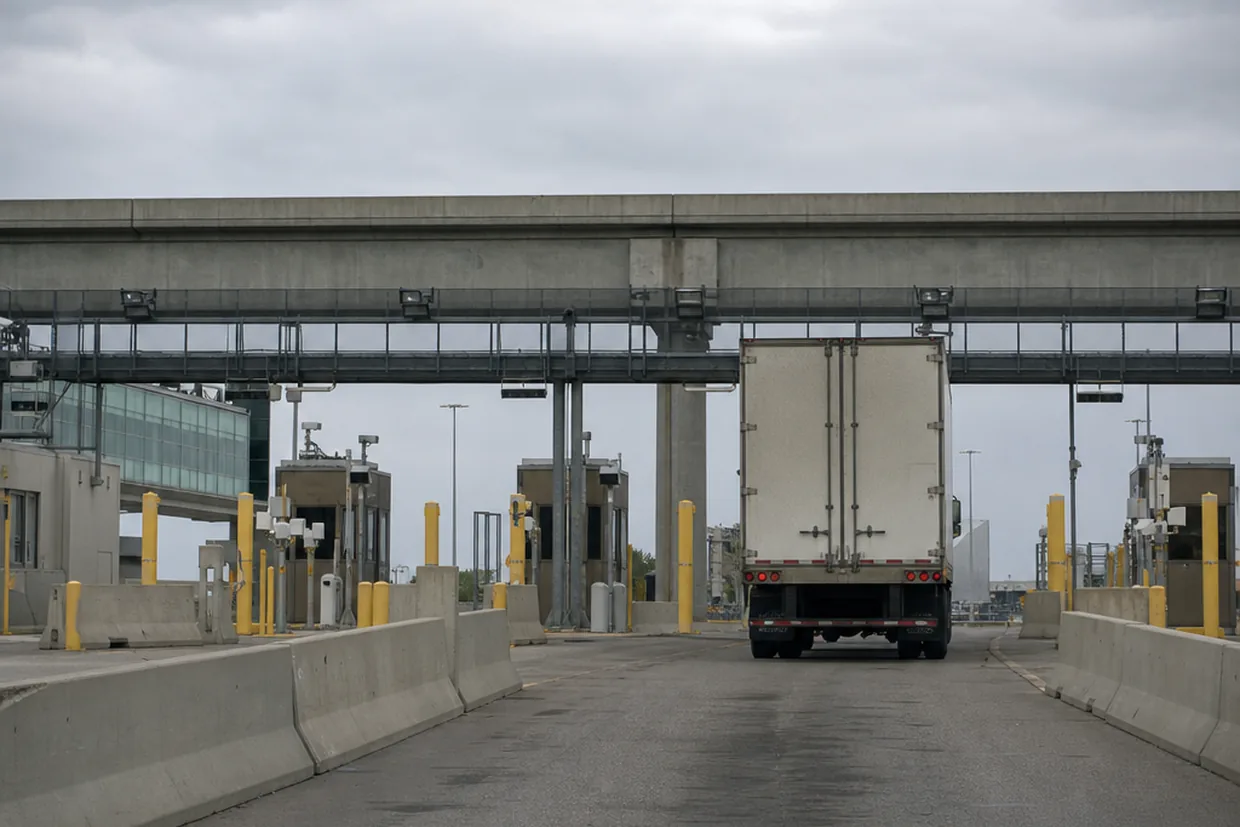
Motion prepares the BSF186 goods-to-follow list and BSF186A accompanying goods declaration for the Canada Border Services Agency, filed at the port of entry on the crossing day.
Your shipment stays on Motion’s truck from the pickup address to the Texas delivery address. No handoff to a US carrier at the border, no reloading risk.
Furniture and fragile items are wrapped, padded and secured by the same crew that loads the truck. Nothing changes hands between packing and delivery.
Coverage is built into the written quote and applies for the full haul across both countries. There are no add-on brokerage or border fees in the final number.
A specialist reviews your inventory over a short video call to build an accurate quote without an in-person visit. Corporate relocation coordinators can join the same call.
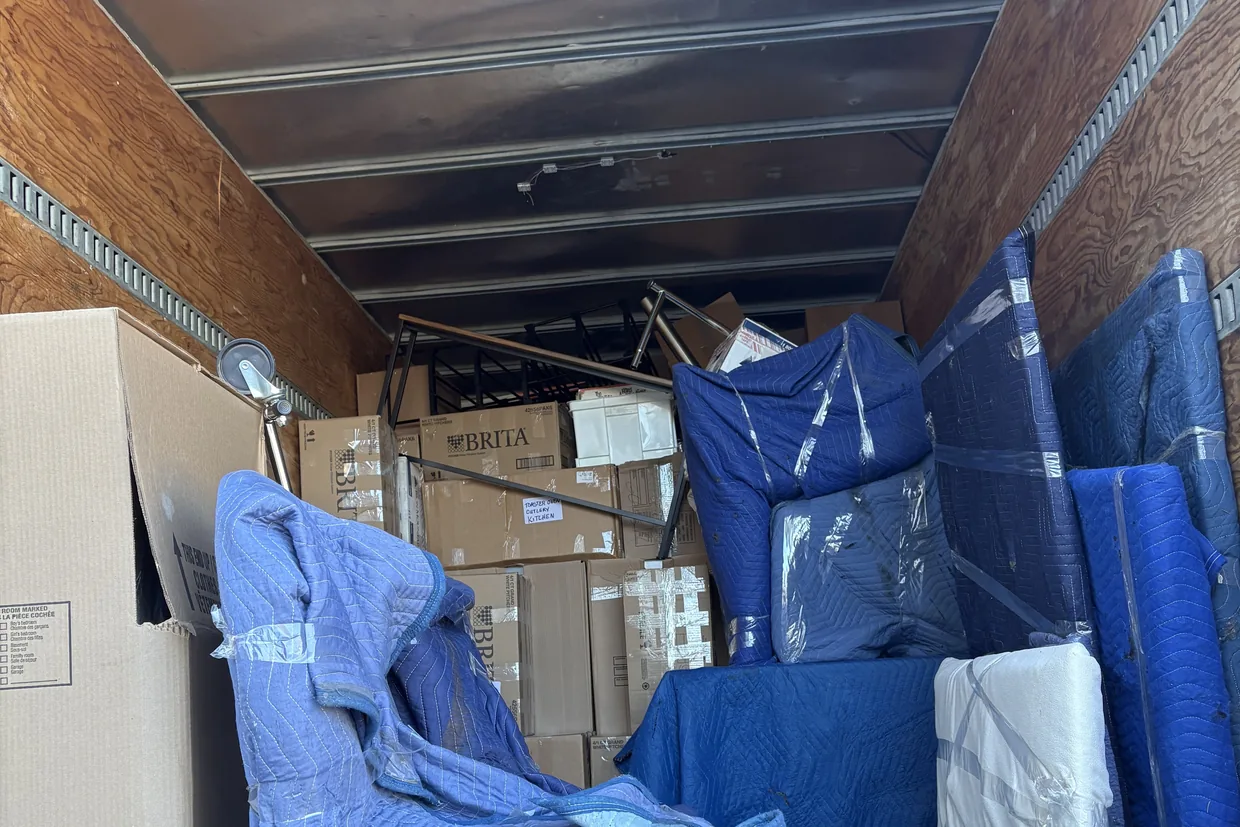

Used personal and household effects are generally duty-free in both directions when you are relocating. Returning Canadian residents must have owned and used the goods outside Canada for at least six months under tariff item 9805.00.00. Settlers arriving for the first time are assessed under different conditions. Motion walks you through the declarations at quote time.
Southbound Texas runs most often cross at Laredo on I-35, the largest commercial land port between the US and Mexico approach corridor. Northbound returns into Ontario typically use the Ambassador Bridge or Peace Bridge depending on whether the destination is Toronto or Ottawa and east.
The actual timing depends on the departure date, the specific Texas destination and conditions on the day of crossing.
Yes. If your Texas closing moves, the shipment can hold at a Motion hub while you confirm a new delivery date. The written quote covers the hold period terms so there are no surprise fees when a corporate or private closing slips.
Yes. Motion runs Canada to Texas and Texas to Canada on the same lane. Return trucks fill northbound on the same schedule, which is why a cross-border move on this corridor does not carry a one-way positioning premium in the quote.
A specialist reviews your inventory over a short video call and texts a flat quote within minutes.