We move households both ways across the border between Maryland and Canada — one truck, one crew, customs handled, no transfer. Written, flat quotes after a quick video call.
A Maryland to Canada move crosses an international border on a single truck, with no transfer to a second carrier. The move requires a customs manifest filed at the port of entry, a declaration of household goods, and in some cases advance notice to building management for dock and elevator access in Baltimore or the DC suburbs.
Household goods entering Canada must be declared using form BSF186, the goods-to-follow list, and where goods travel with the owner at the same crossing, form BSF186A, the accompanying goods list. Both forms are filed with the Canada Border Services Agency at the port of entry. Motion prepares the shipment manifest and walks the customer through what to present at the crossing.
Used personal and household effects are generally duty-free when a person is relocating to Canada. Returning Canadian residents importing goods duty-free under tariff item 9805.00.00 must have owned and used those goods outside Canada for at least six months. Settlers bringing goods to Canada for the first time are assessed under separate conditions. Neither exemption is automatic and documentation must support the claim.
Maryland borders Washington, DC, to the north and east, covering the suburban corridors of Bethesda, Silver Spring and Rockville as well as Baltimore and the Chesapeake region. Federal agency relocations, defence contractor transfers and biotech moves generate consistent cross-border demand between Maryland and Canada in both directions throughout the year.
Maryland to Ontario and Quebec moves typically route via the Peace Bridge at Buffalo and Fort Erie, the Queenston-Lewiston Bridge at Niagara Falls, or the Ambassador Bridge at Detroit and Windsor. Maryland to Quebec moves more often use the Lacolle-Champlain crossing near Saint-Bernard-de-Lacolle. The crossing selected affects both transit time and wait time on the day of the move.
Fill in the form beside this and a specialist will text you a written quote for your Maryland move within minutes.
Maryland sits just north of Washington, DC, wrapping the capital from Bethesda and Silver Spring through Baltimore and out to the Chesapeake shore. Federal agency relocations, biotech transfers and port-connected moves drive a consistent flow in both directions. Motion runs this corridor on a single truck with one crew, prepares the customs manifest for the Canadian or US-bound crossing, and coordinates the loading-dock and elevator windows common to Baltimore and the DC suburbs.
That two-way volume keeps scheduling practical and means your move is not treated as a one-off.
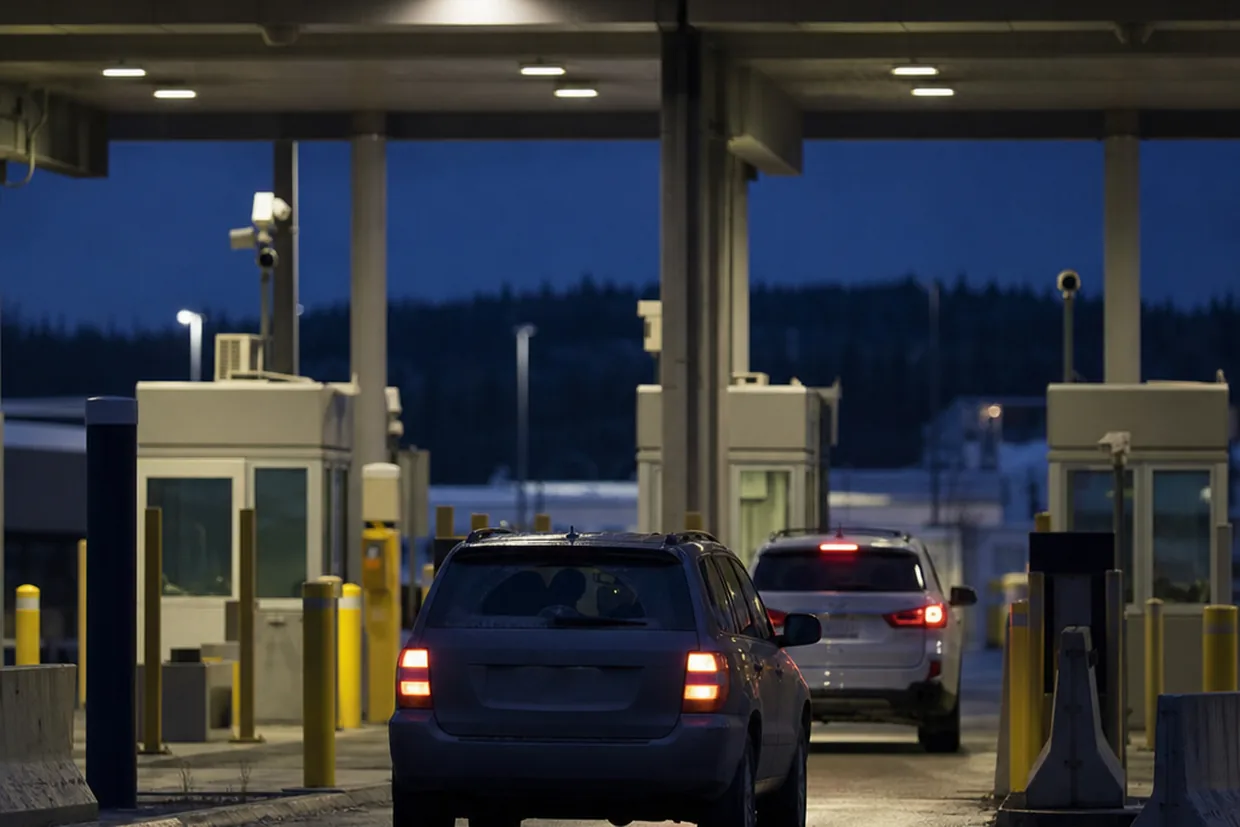
Your shipment stays on our truck from Maryland pickup to Canadian delivery, or the reverse. No handoff at the border to a second carrier.
We prepare the goods manifest and paperwork for the port of entry, whether you are entering Canada or returning to the United States.
Furniture pads, stretch wrap and carton protection for fragile items. Packing materials and labour are scoped during the video-call walkthrough.
Coverage travels with your shipment for the full distance, including the border crossing. The amount is confirmed in your written quote.
After a short video-call inventory, you receive a written quote with no border surcharge, brokerage fee or fuel surprise added after the fact.
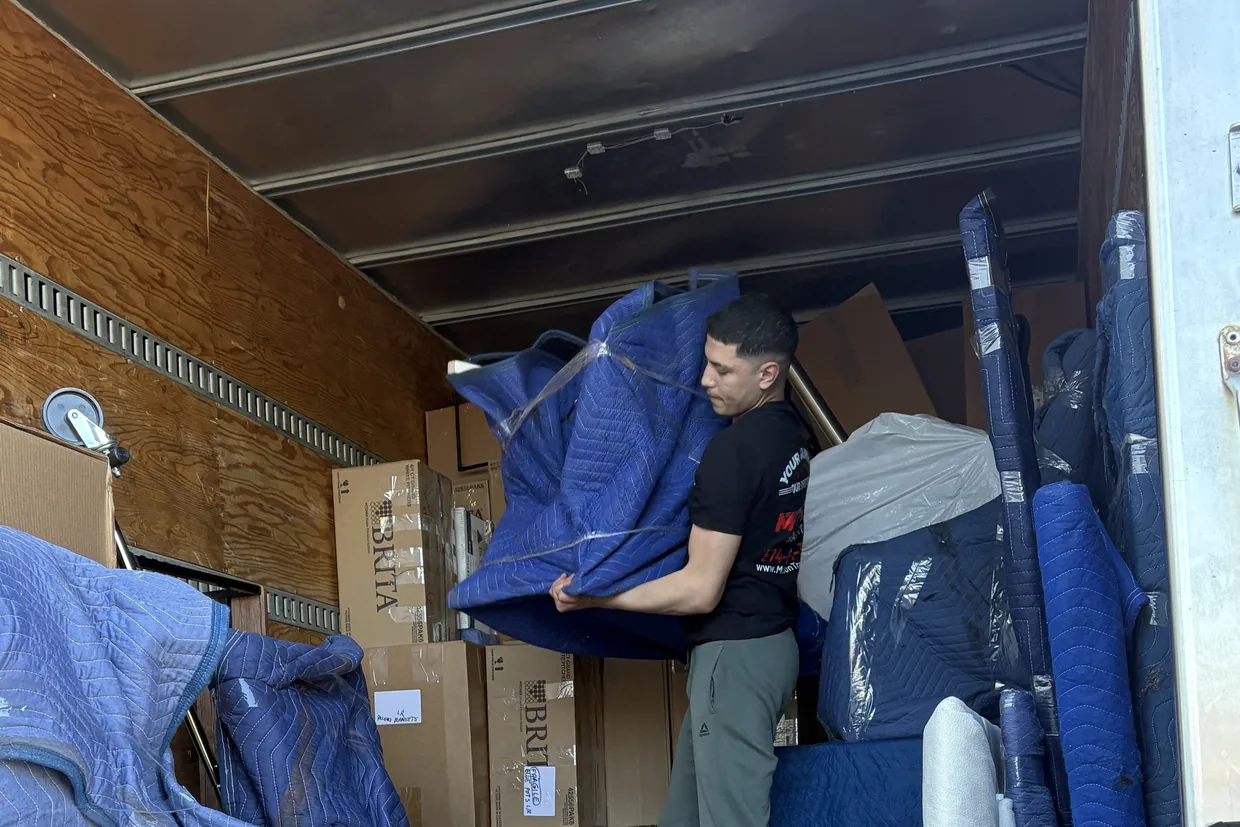

Yes, Motion runs both directions on this corridor. Canada to Maryland and Maryland to Canada moves are handled by the same carrier with the same customs process. Return runs mean both directions are scheduled regularly, not treated as one-off trips.
Used personal and household effects are generally duty-free when you are relocating. Returning Canadian residents must have owned and used the goods abroad for at least six months. Settlers bringing goods to Canada for the first time are assessed under different conditions. We walk through the specifics at quote time.
For most Maryland to Ontario moves we route via the Peace Bridge at Buffalo and Fort Erie or the Queenston-Lewiston Bridge at Niagara Falls.
Long-haul moves to Western Canada take longer. Actual timing depends on your specific pickup and delivery addresses, the crossing used, and border wait times on the day.
You will need a completed BSF186 goods-to-follow list and, if carrying goods with you on the same crossing, a BSF186A accompanying goods list. Both are filed with the Canada Border Services Agency at the port of entry. We prepare the manifest and walk you through what to carry.
A specialist texts you back in five minutes after a short video-call walkthrough.