We move households both ways across the border between North Carolina and Canada — one truck, one crew, customs handled, no transfer. Written, flat quotes after a quick video call.
A move between North Carolina and Canada involves declaring household goods at a federal port of entry, filing CBSA forms, and meeting Canadian or US import conditions depending on direction. Motion handles the paperwork and runs the full distance on one truck, which removes the hand-off that causes most cross-border claims and delays.
Household goods entering Canada must be declared to the Canada Border Services Agency at the port of entry. Movers are required to file a BSF186 goods-to-follow list for items arriving after the owner crosses, and a BSF186A accompanying goods list for items arriving with the owner. Both forms are prepared by Motion before the truck reaches the crossing.
Used personal and household effects are generally duty-free when a person relocates to Canada. Returning Canadian residents must have owned and used the goods outside Canada for at least six months under tariff item 9805.00.00 of the Customs Tariff. Settlers bringing goods to Canada for the first time are assessed under different conditions. Neither exemption is automatic; eligibility is confirmed by CBSA at the port of entry.
The Research Triangle, comprising Raleigh, Durham, and Chapel Hill, draws cross-border academic and technology-sector moves from Ontario and Quebec in particular. Charlotte adds corporate relocation volume. Both cities have active return traffic, which means Motion runs the corridor in both directions rather than repositioning an empty truck.
North Carolina to Ontario moves typically cross at the Peace Bridge in Fort Erie, the Blue Water Bridge in Sarnia, or the Ambassador Bridge in Windsor, depending on destination. North Carolina to Quebec moves generally use the Lacolle-Champlain crossing south of Montreal. Crossing selection affects drive time, wait time, and delivery scheduling and is confirmed at the quoting stage.
Fill in the form beside this to start a video-call quote for your North Carolina to Canada move.
North Carolina draws cross-border moves from across Canada because of the Research Triangle’s university and tech sector, Charlotte’s banking and corporate base, and retirement destinations along the Outer Banks and in the mountains around Asheville. Motion runs the full distance on a single truck with one crew, prepares the customs paperwork at the port of entry, and keeps your goods in one chain of custody from pickup to delivery.
The corridor runs both ways. Canadians relocating to Raleigh, Durham, or Charlotte are balanced on the return by residents heading back to Ontario, Quebec, or beyond.
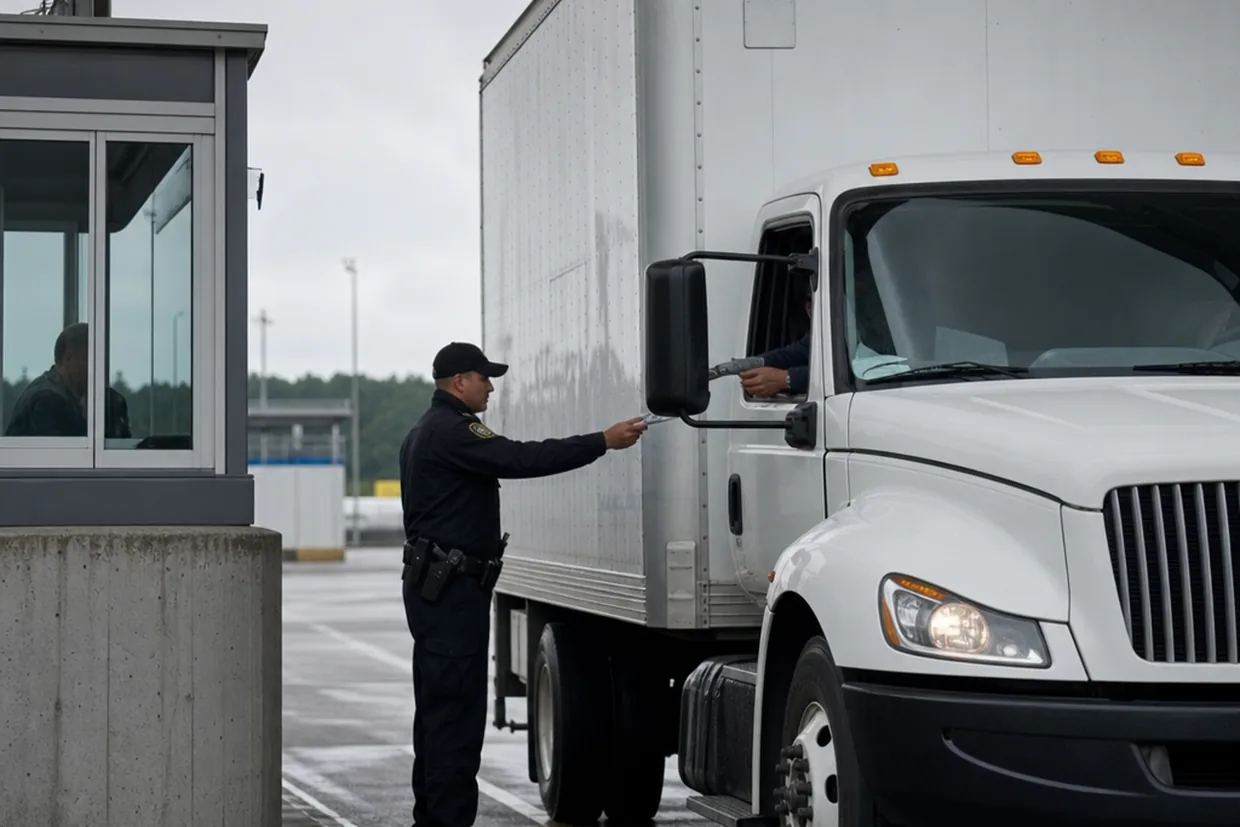
Your goods stay on one truck from pickup to delivery. No transfer to a second carrier at the border, no third-party handling at any point in the move.
Motion prepares the CBSA goods-to-follow manifest, the BSF186 and BSF186A forms, and coordinates declaration requirements so you arrive at the port of entry ready.
Furniture and fragile items are wrapped and padded by the crew loading the truck. The same protection standards apply in both directions.
Coverage is built into the written quote and applies for the full cross-border journey. There are no surprise add-on fees disclosed after you accept.
A specialist reviews your inventory on a video call, produces an accurate written quote with a delivery window, and answers questions before you commit to anything.
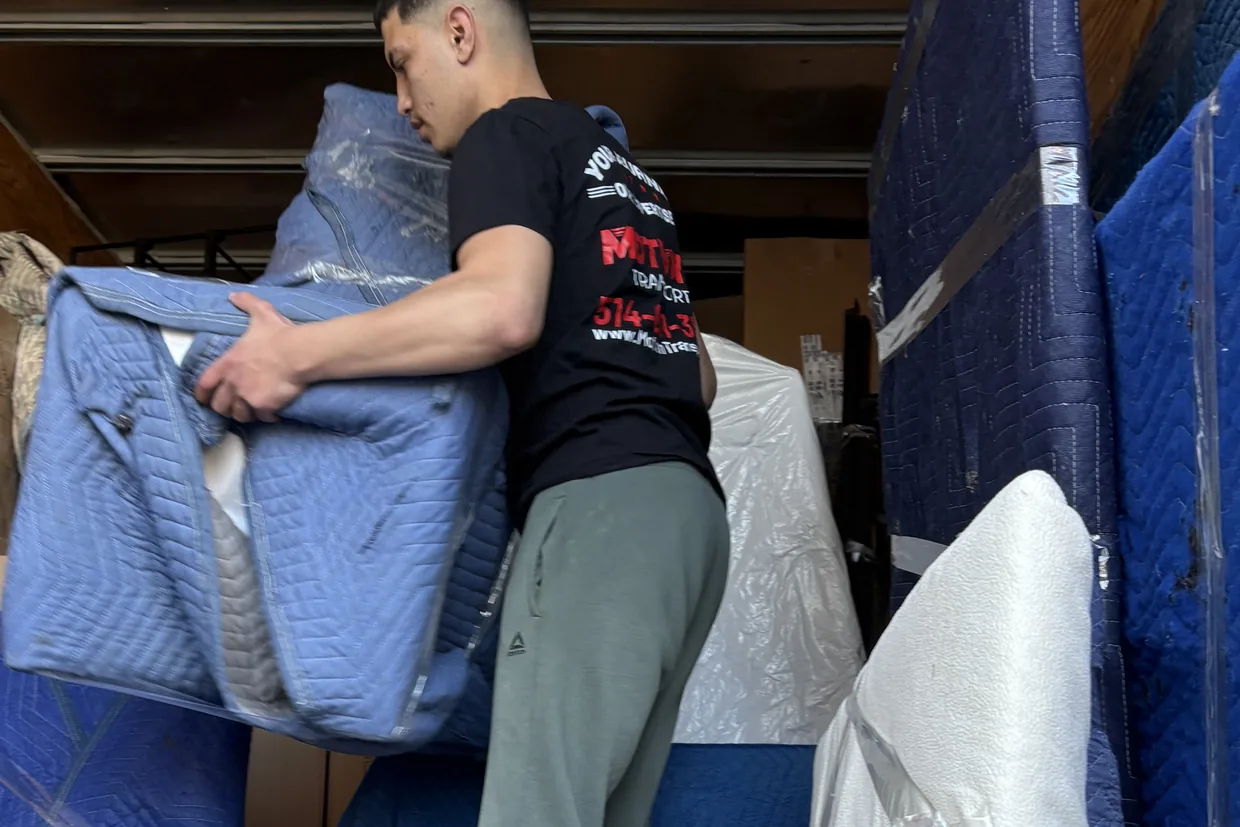

Yes. Motion runs the corridor in both directions on a single carrier. Whether you are relocating from Raleigh to Toronto or from Montreal to Charlotte, the customs paperwork, the crew, and the chain of custody are the same in each direction.
Used personal and household effects are generally duty-free when you are relocating to Canada. Returning Canadian residents must have owned and used the goods outside Canada for at least six months under tariff item 9805.00.00. Settlers bringing goods for the first time are assessed under different conditions. Motion does not provide tax advice; confirm with a licensed customs broker.
You will need a BSF186 goods-to-follow list and, if you are bringing goods with you at the time of crossing, a BSF186A accompanying goods list. Both are filed with the Canada Border Services Agency at the port of entry. Motion prepares these documents as part of the move.
Actual timing depends on distance, border wait times, and the fulfilment schedule. A realistic delivery window is written into your quote after the video-call assessment.
Yes. Motion has hub capacity to warehouse your shipment if employer timelines, lease dates, or closing schedules shift. This is common on corporate and university relocations into the Research Triangle and Charlotte. Confirm storage availability when you book.
A specialist reviews your inventory on a video call and texts a flat written quote with a delivery window.