We move households both ways across the border between Connecticut and Canada — one truck, one crew, customs handled, no transfer. Written, flat quotes after a quick video call.
A Connecticut to Canada move crosses one international port of entry under Canada Border Services Agency authority. The moving company must prepare a BSF186 goods-to-follow declaration and, where applicable, a BSF186A list of accompanying goods before the truck reaches the crossing. Motion handles both documents and coordinates US CBP requirements on the southbound direction.
When moving household goods into Canada, the Canada Border Services Agency requires a BSF186 form listing goods to follow and a BSF186A form for goods accompanying the traveler. Both are filed at the port of entry. Missing or incomplete forms can delay release of the shipment. Motion prepares these documents as part of the move, not as a separate brokerage service.
Used personal and household effects imported into Canada are generally duty-free when the owner is relocating. Settlers arriving for the first time and returning Canadian residents are assessed under different conditions. Returning residents must have owned and used the goods outside Canada for at least six months under tariff item 9805.00.00. Neither exemption applies automatically to new or commercial goods mixed into the shipment.
Connecticut spans roughly 90 miles from the New York state line at Greenwich to the Rhode Island border east of Putnam. I-91 runs north from New Haven to the Massachusetts and Vermont lines, connecting directly to I-89 toward the Quebec border at Lacolle-Champlain. I-84 runs northwest toward New York and connects west to I-90, which reaches the Peace Bridge crossing at Buffalo and Fort Erie for Ontario-bound moves.
Cross-border household moves often involve two carriers: one on the US side that transfers the shipment at the border to a licensed Canadian carrier. Motion operates under both US and Canadian authority, which means the same truck and crew complete the move without a transfer. The customer deals with one company, one contact and one written quote throughout.
Fill in the short form beside this and a specialist texts you a flat written quote within minutes.
Connecticut sits at the northeastern end of I-95, roughly 200 miles from the Quebec border at Lacolle-Champlain and about 350 miles from the Ontario crossings at the Peace Bridge in Buffalo. Motion runs households both ways on this corridor, one crew and one truck from pickup to delivery, with the customs manifest prepared before the port of entry. Finance and insurance relocations account for a large share of the traffic, particularly out of Fairfield County.
Because Motion fills trucks on the return leg, capacity is not wasted on a one-way run, and that two-way discipline keeps scheduling predictable for customers on either end of the move.
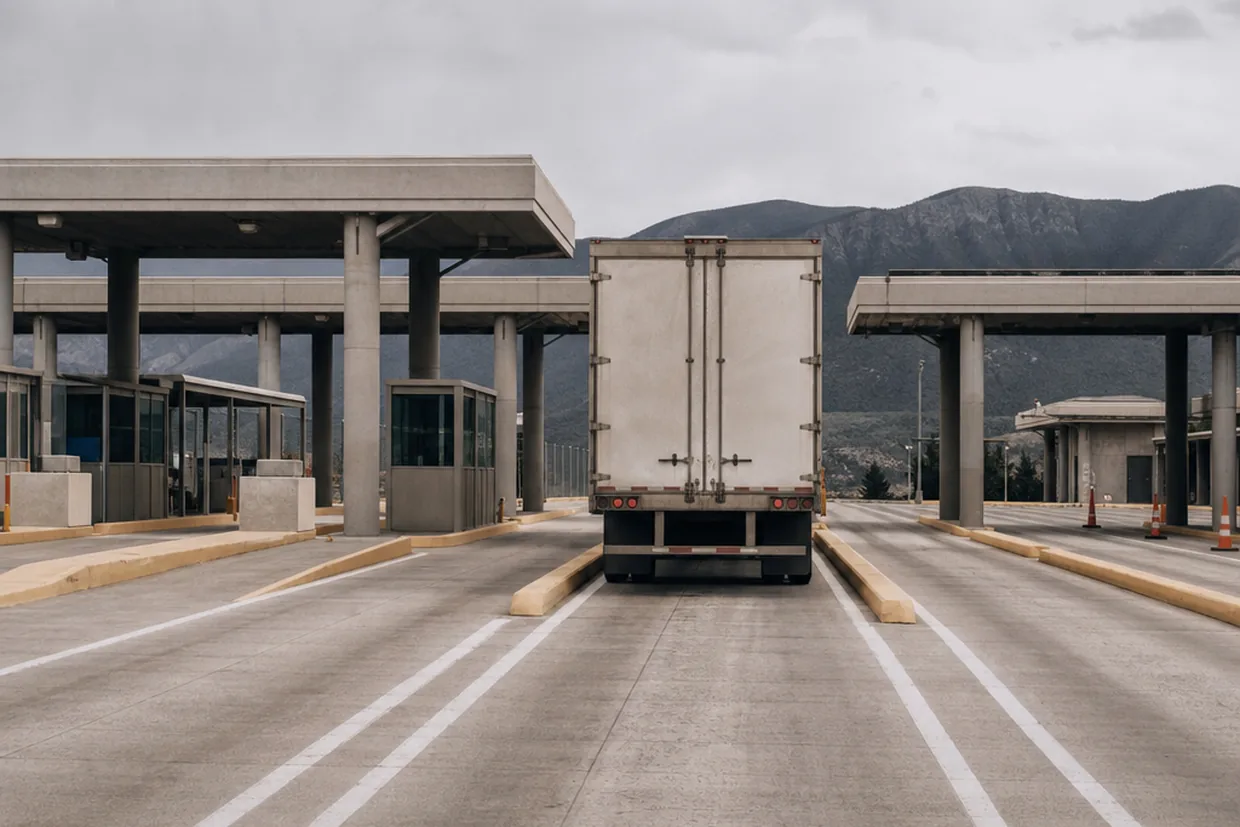
Your goods stay on our truck from Connecticut to the Canadian destination, no handoff at the border and no second crew taking over the shipment.
Motion prepares the BSF186 goods-to-follow list and the BSF186A accompanying-goods list filed with CBSA at the port of entry, in both directions.
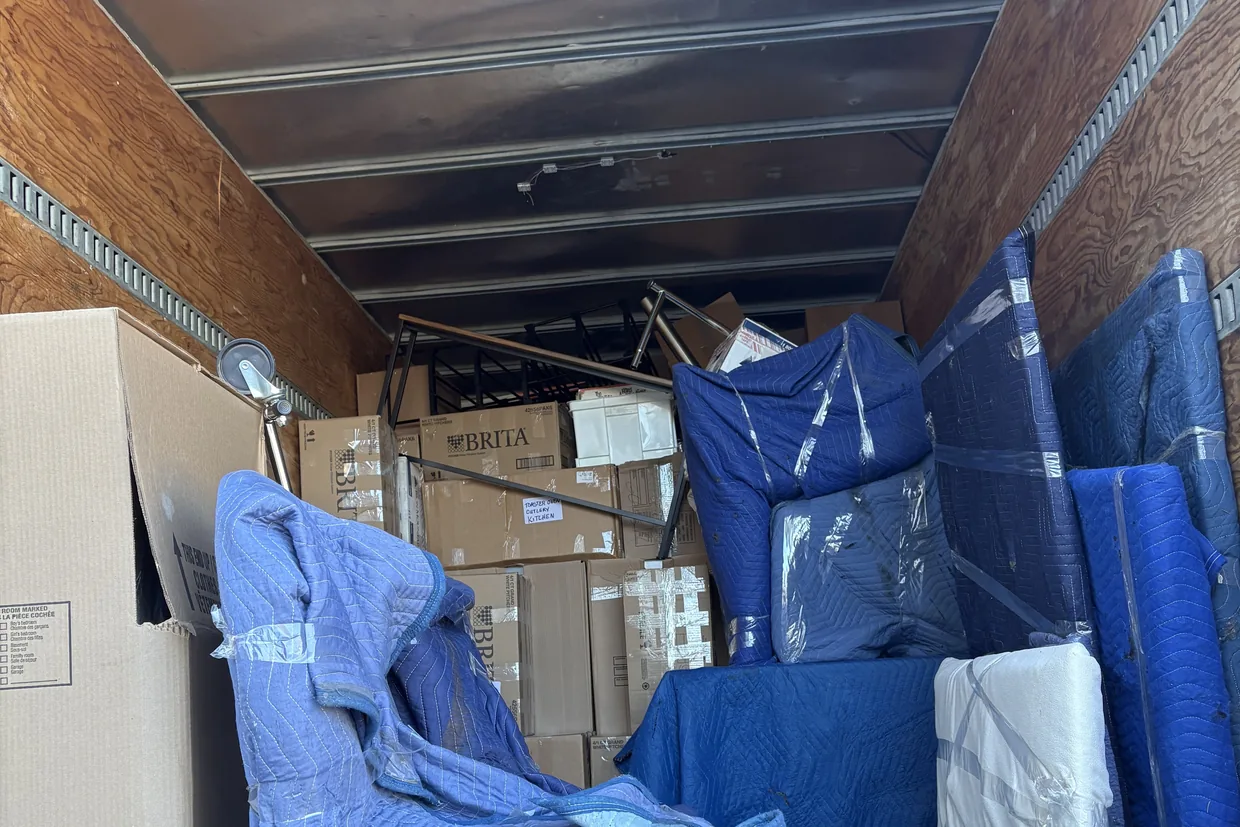
Furniture and fragiles are padded and wrapped before loading, not at the destination. The same materials travel with the shipment across the border.
Coverage is built into your written quote. There is no separate brokerage fee or border surcharge added after the video-call walkthrough.
If your closing dates do not align on either side of the border, goods can be held at a Motion hub rather than forcing delivery on a date that does not work.

Yes, both directions on one carrier. Motion runs this corridor each way and coordinates customs paperwork for whichever direction applies, whether that is a CBSA declaration entering Canada or a CBP declaration entering the United States.
Used personal and household effects are generally duty-free when relocating to Canada. Settlers bringing goods for the first time and returning residents who owned and used items abroad for at least six months each qualify under different tariff conditions. Motion reviews your situation at quote time.
Most Connecticut moves cross at Lacolle-Champlain for Quebec destinations or the Peace Bridge at Buffalo and Fort Erie for Ontario and points west. The crossing depends on your destination city and is confirmed before the move date.
Moves to Montreal typically clear faster than moves to Toronto or Ottawa. Your written quote includes the delivery window confirmed after the video-call inventory.
No. Motion carries the customs paperwork and the goods-to-follow list on your behalf. You declare your goods when you arrive in Canada separately as a traveler. The truck and your goods do not need you physically at the crossing.
A specialist texts you a flat, written quote within five minutes of your video call.