We move households both ways across the border between South Carolina and Canada — one truck, one crew, customs handled, no transfer. Written, flat quotes after a quick video call.
Moving between South Carolina and Canada means crossing an international border with a full household. Motion operates the corridor as a single carrier, preparing US and Canadian customs paperwork and keeping your goods on one truck from pickup to delivery. No second carrier takes over at the border and no broker is needed on either side.
The Canada Border Services Agency requires two forms when household goods enter Canada. The BSF186 covers goods arriving after the owner crosses, called goods to follow. The BSF186A covers goods arriving with the owner at the same time. Both are filed at the port of entry. Motion prepares these documents as part of the move, not as an add-on service.
Used personal and household effects are generally duty-free when a person relocates to Canada. Returning Canadian residents must have owned and used the goods outside Canada for at least six months to qualify under tariff item 9805.00.00. First-time settlers bringing goods to Canada are assessed under different conditions. Neither exemption is automatic and documentation supporting the claim is required at the port of entry.
South Carolina household moves to Canada most commonly route through the Peace Bridge at Fort Erie, the Queenston-Lewiston Bridge near Niagara, or the Ambassador Bridge at Windsor-Detroit, depending on the Canadian destination. Montreal-bound loads typically use the Lacolle-Champlain crossing on I-87. Vancouver-bound loads use the Pacific Highway crossing at Surrey on I-5.
Motion runs loaded trucks south from Canada to South Carolina and north from South Carolina to Canada on the same corridor. Return loads mean the truck is not empty on the back run. This keeps scheduling more regular than a carrier that only moves in one direction and gives customers on both ends of the corridor more consistent pickup windows throughout the year.
Fill in the short form beside this and a specialist will text you a written quote within minutes.
South Carolina draws Canadians to Charleston, Myrtle Beach, Hilton Head, Columbia and Greenville for coastal retirement and a milder winter. Motion moves households both ways on a single truck with one crew, preparing the customs manifest for the Canadian or US port of entry at every crossing. There is no handoff at the border and no second carrier picking up where the first left off. You get a written, flat quote after a short video walkthrough.
That two-way operation keeps trucks fuller and scheduling tighter than a carrier that only runs one direction. Storage at Motion hubs bridges any gap between a closing date in one country and a possession date in the other.
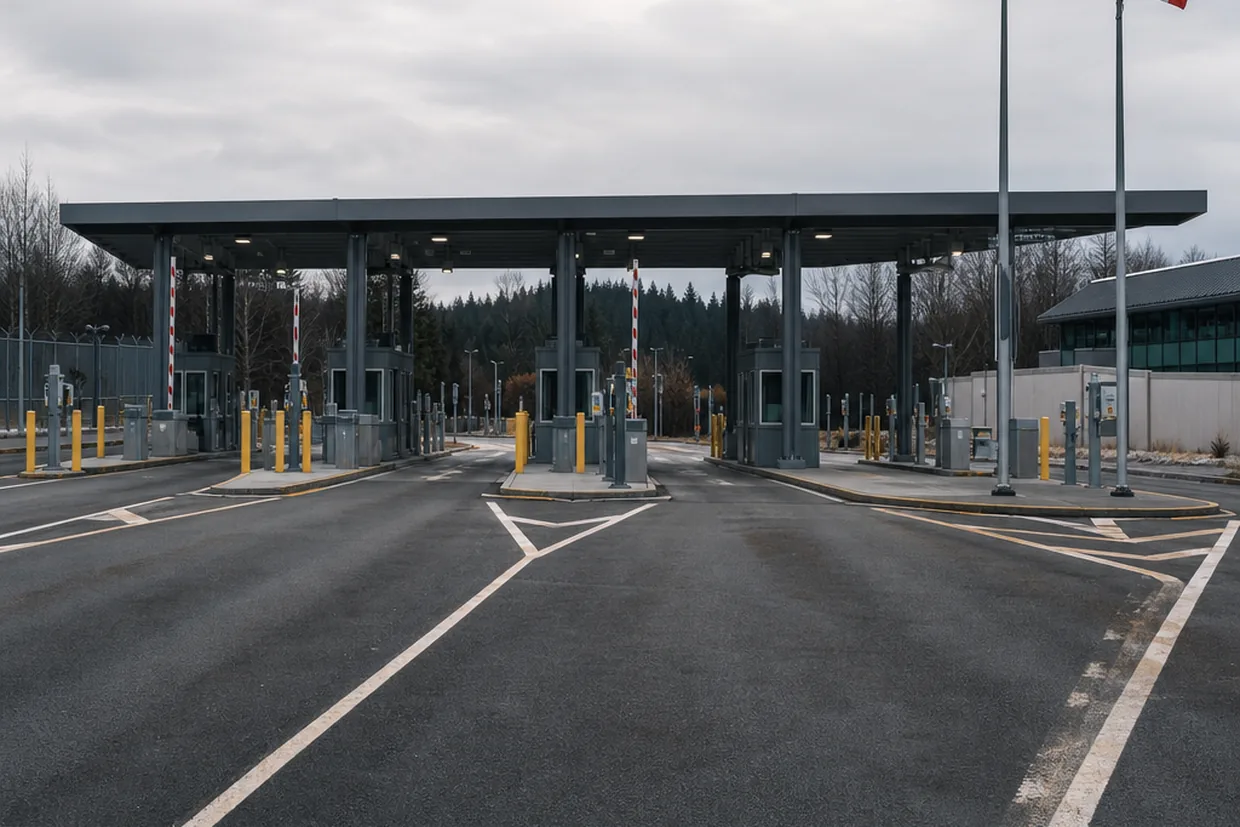
Your goods stay on Motion’s truck from pickup to delivery, with no transfer to a second carrier at the US-Canada border.
Motion prepares the manifest and goods-to-follow or accompanying-goods lists for the relevant port of entry, whether the crossing is Canadian or American.
Furniture is wrapped and padded by the crew that loads it. Fragile items are packed to the same standard regardless of which direction the move runs.
Coverage is built into the written quote. There are no surprise insurance line items added after the video-call assessment.
If possession and closing dates in South Carolina and Canada do not overlap, Motion holds your goods at a hub at an agreed rate until both dates align.
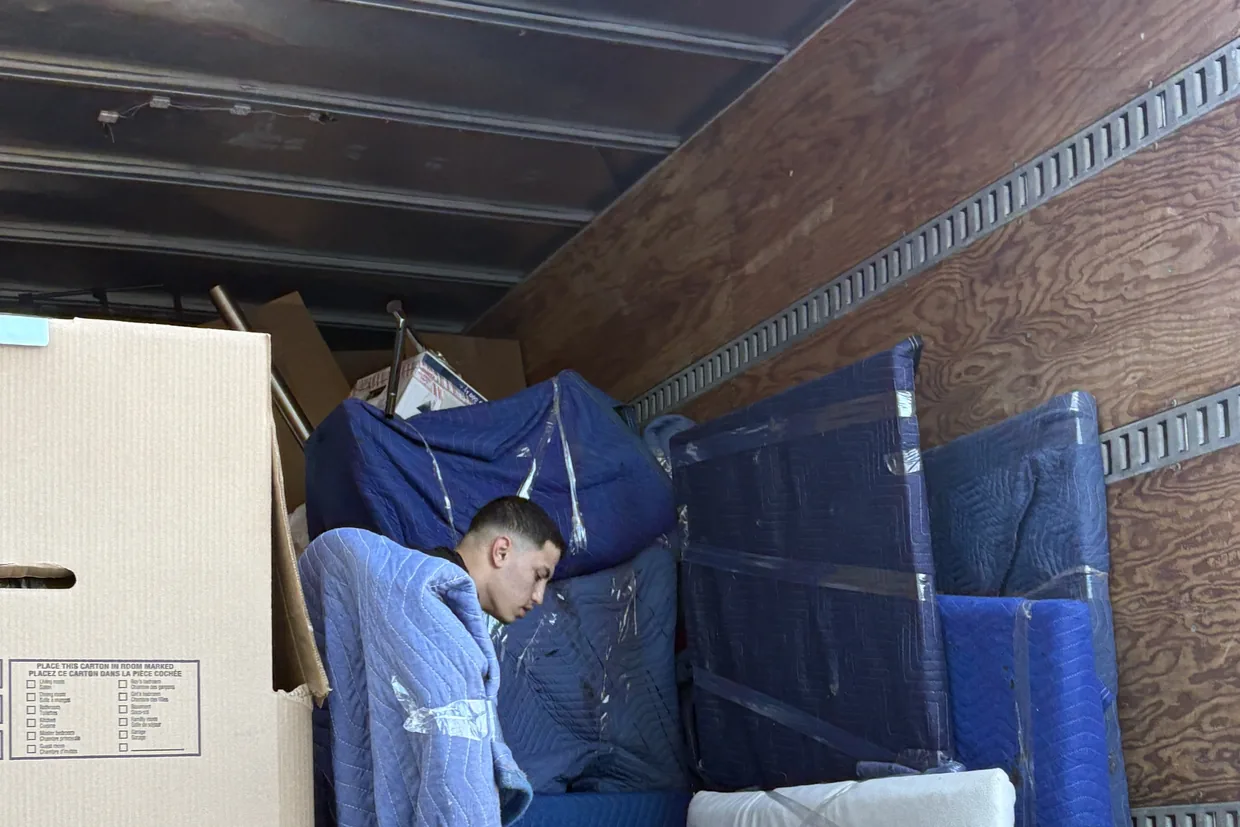

Yes, both directions on one carrier. Motion loads southbound and northbound on the same corridor, which is why trucks run both ways regularly. You get the same crew, the same customs handling and the same flat written quote regardless of direction.
Used personal and household effects are generally duty-free when relocating. Returning Canadian residents must have owned and used the goods abroad for at least six months under tariff item 9805.00.00. Conditions differ for first-time settlers. Motion walks you through what applies to your specific move.
The Canada Border Services Agency requires a BSF186 goods-to-follow list for items arriving after you cross and a BSF186A list for goods accompanying you. Motion prepares both forms and presents them at the port of entry so you are not handling paperwork at the crossing.
Actual timing depends on routing, border wait times and the specific pickup and delivery addresses. Motion gives you a delivery window in the written quote rather than a single date that cannot be guaranteed.
Motion holds your goods at a hub between the two dates. You are not forced to store locally in South Carolina or rush a delivery in Canada. The storage rate is agreed in writing before the move departs so there are no surprises at the other end.
A specialist texts you back in minutes after a short video-call walkthrough.