Phoenix to Toronto is a Southwest snowbird corridor — one truck, customs handled, door to door with no transfer. Roughly ~3,500 km of driving.
A Phoenix to Toronto move crosses an international border, which means your carrier must hold the correct operating authority for both countries and must file a customs declaration for your household goods at the Canadian port of entry. Motion holds that authority, runs both directions on this corridor, and handles the paperwork so you are not sourcing a separate customs broker for a standard residential shipment.
Household goods entering Canada must be declared to the Canada Border Services Agency at the port of entry using form BSF186 for goods arriving after the owner, and form BSF186A as the accompanying list for goods arriving with the owner. These forms identify every item being imported and support the duty-free claim under the settler or returning-resident provision. Motion prepares both forms as part of the standard service on this corridor.
Used personal and household effects are generally admitted duty-free when a person is relocating to Canada. Settlers bringing goods to Canada for the first time file under the settler provisions assessed by the CBSA officer at the port of entry. Returning Canadian residents who owned and used the goods outside Canada for at least six months may claim relief under tariff item 9805.00.00. The CBSA officer at the crossing makes the final determination; Motion prepares the supporting paperwork but does not guarantee a specific duty outcome.
Cross-border household moves frequently involve a relay: one carrier to the border, a second carrier on the other side. The handoff creates a custody gap where damage claims become contested and delays compound. Motion operates a single carrier end to end on the Phoenix to Toronto corridor, meaning the truck and crew that loads your goods in Phoenix is the same truck and crew that delivers to your Toronto address, crossing via the Ambassador Bridge or Blue Water Bridge.
Phoenix to Toronto is approximately 3,500 km by road. The most direct routing follows I-10 east out of Phoenix to connect with I-75 north through Michigan, crossing into Ontario at Windsor via the Ambassador Bridge, then continuing on Highway 401 east into Toronto. The Blue Water Bridge at Sarnia-Port Huron on I-94 is a practical alternate that serves western GTA addresses including Mississauga and Brampton.
Fill in the form beside this to have a Phoenix to Toronto specialist contact you within five minutes.
Phoenix to Toronto is roughly 3,500 km by road, crossing into Canada most commonly via the Ambassador Bridge or Blue Water Bridge at the Ontario border. Motion loads your household goods once in Phoenix and delivers them once in Toronto on the same truck with the same crew. There is no transfer to a second carrier at the border, which is the point in a cross-border move where delays and damage most often occur. Customs documentation is prepared on your behalf for the port of entry.
This corridor runs in both directions. Snowbirds returning north after Arizona winters fill trucks heading to Toronto, and southbound loads heading to Phoenix offset the cost of the return run. Motion coordinates both directions regularly, which keeps scheduling practical and avoids the wasted capacity that inflates pricing on purely one-way lanes.
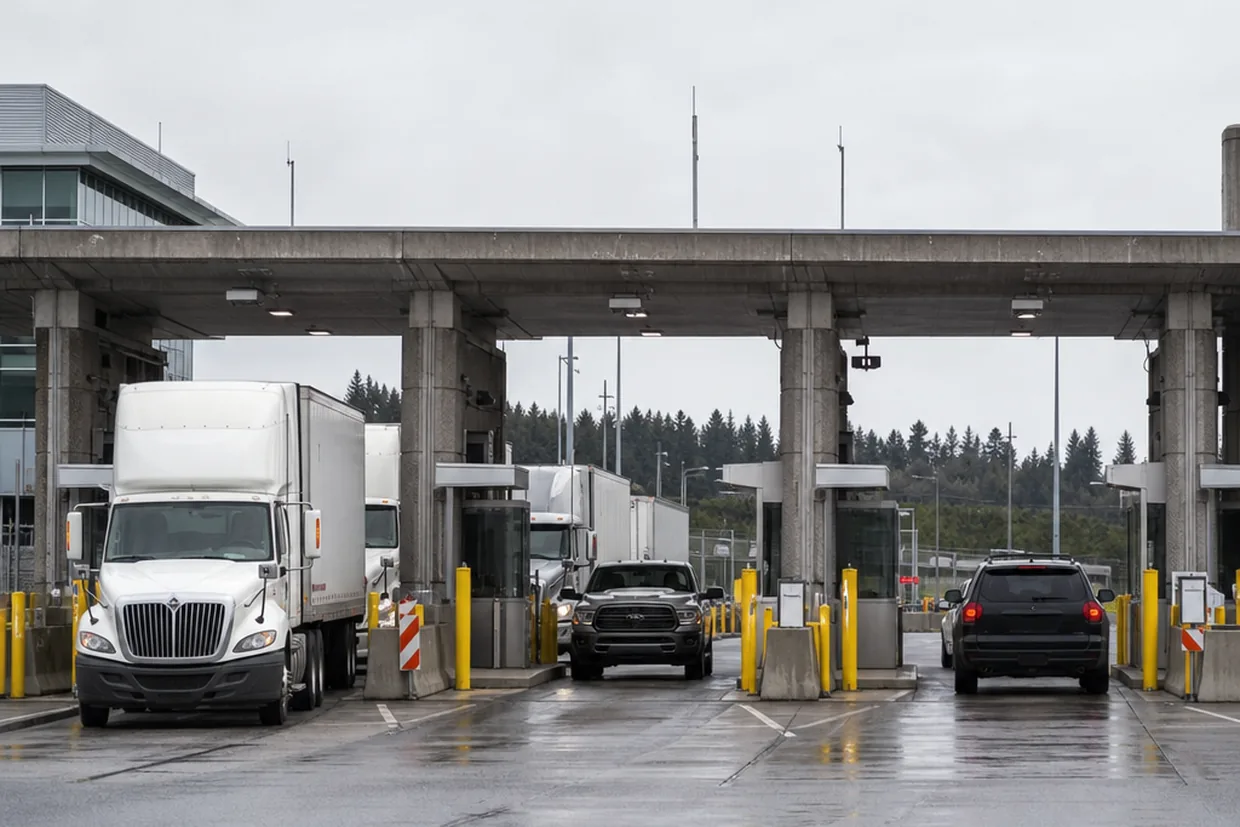
Motion prepares the manifest and goods declaration filed with the Canada Border Services Agency at the port of entry. No separate broker required for a standard household shipment.
Your shipment stays on the same truck under the same crew from Phoenix to Toronto. There is no relay yard, no reloading, and no second carrier taking custody of your goods.
Furniture is padded and wrapped before loading. Fragile items are packed to the standard required for a single long-haul run, not a local delivery.
Coverage is built into your written quote. There is no separate insurance add-on billed at the border or on delivery in Toronto.
If your Toronto move-in date shifts after the truck is loaded, Motion holds your shipment at its Toronto, Montreal, or Vancouver facility without transferring your goods to another operator.
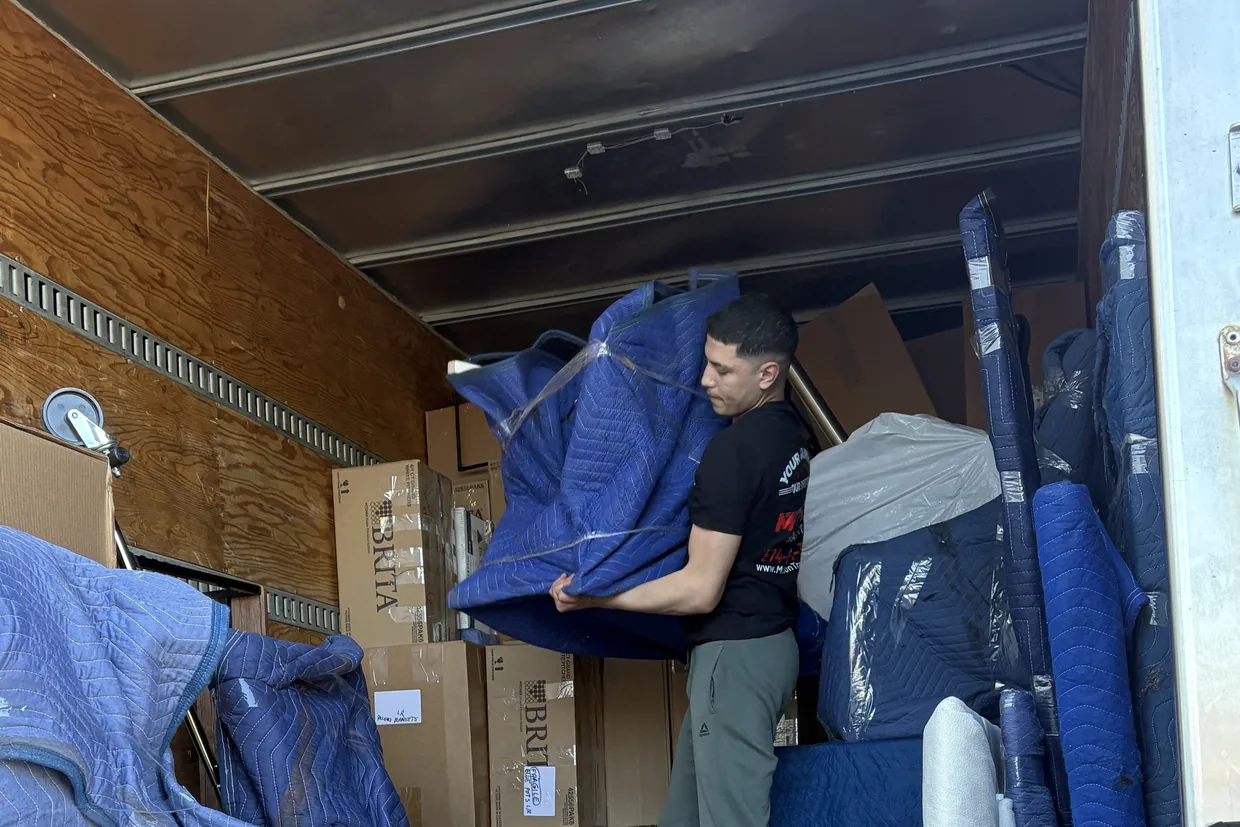

The distance is roughly 3,500 km by road. Motion provides a written estimated delivery window in your quote and calls with a rolling ETA once the truck departs Phoenix.
Used personal and household effects are generally duty-free when relocating to Canada. Settlers bringing goods for the first time use the BSF186 goods-to-follow list filed with the Canada Border Services Agency. Returning Canadian residents must show the goods were owned and used abroad for at least six months under tariff item 9805.00.00. Motion prepares the paperwork; a customs officer makes the final determination.
No. Motion operates one carrier end to end. The same truck and crew that loads in Phoenix crosses into Canada and delivers to your Toronto address. There is no transfer to a second carrier at any point, including at the border crossing.
The Ambassador Bridge at Windsor and the Blue Water Bridge at Sarnia-Port Huron are the most practical crossings for this corridor. The Queenston-Lewiston Bridge is used when delivering into Hamilton or Niagara-area addresses.
Yes. Motion runs this corridor in both directions. Southbound loads to Phoenix use the same one-carrier model with customs handled for the US port of entry. Return scheduling is coordinated through the same dispatch team.
A specialist walks through your home by video call and sends a flat written quote the same day.