Los Angeles to Montreal is a coast-to-coast cross-border haul — one truck, customs handled, door to door with no transfer. Roughly ~4,600 km of driving.
A Los Angeles to Montreal cross-border move covers roughly 4,600 km and requires goods to clear Canada Border Services Agency at the port of entry. Motion operates as a single carrier on both sides of the border, prepares the required CBSA documentation, and delivers without transferring the shipment to a second company at the crossing.
Households moving from Los Angeles to Montreal must file a BSF186 goods-to-follow list for items that arrive separately and a BSF186A for goods accompanying the mover, both submitted to the Canada Border Services Agency at the port of entry. An accurate manifest prepared before the crossing prevents holds and clearance delays at the border.
Used personal and household effects are generally duty-free when relocating to Canada. Returning Canadian residents must have owned and used the goods abroad for a minimum of six months to qualify under tariff item 9805.00.00. Settlers arriving for the first time are assessed under separate CBSA conditions. Neither exemption is automatic and documentation must support the claim.
Los Angeles to Montreal is roughly 4,600 km by road. The southern inland route follows I-10 east and I-40 before turning north through the Midwest, crossing into Canada at the Ambassador Bridge at Windsor, Ontario, and continuing on Highway 401 and Highway 20 to Montreal. The Pacific Highway crossing near Surrey, British Columbia is used on northern routing.
Motion runs the Los Angeles to Montreal corridor in both directions, loading return capacity on the Montreal to Los Angeles leg. Operating one carrier end to end means household goods are not transferred to a second company at the border, which is where cross-border shipments most commonly incur delays, damage, and liability gaps.
Fill in the form and a Motion specialist will follow up within five minutes to arrange your video-call assessment.
A Los Angeles to Montreal move covers roughly 4,600 km, crossing into Canada most often at the Pacific Highway crossing near Surrey, British Columbia, or via the Ambassador Bridge at Windsor depending on the inland route. Motion loads your household goods once in Los Angeles and delivers once in Montreal on the same truck with the same crew. There is no transfer to a second carrier at the border, which is where cross-border shipments most often get delayed or damaged.
This corridor runs both ways. Motion moves Montreal to Los Angeles on the same schedule, filling return capacity that would otherwise travel empty. If your Montreal move-in date shifts, shipments can hold at Motion hubs in Toronto, Montreal, or Vancouver until you are ready.
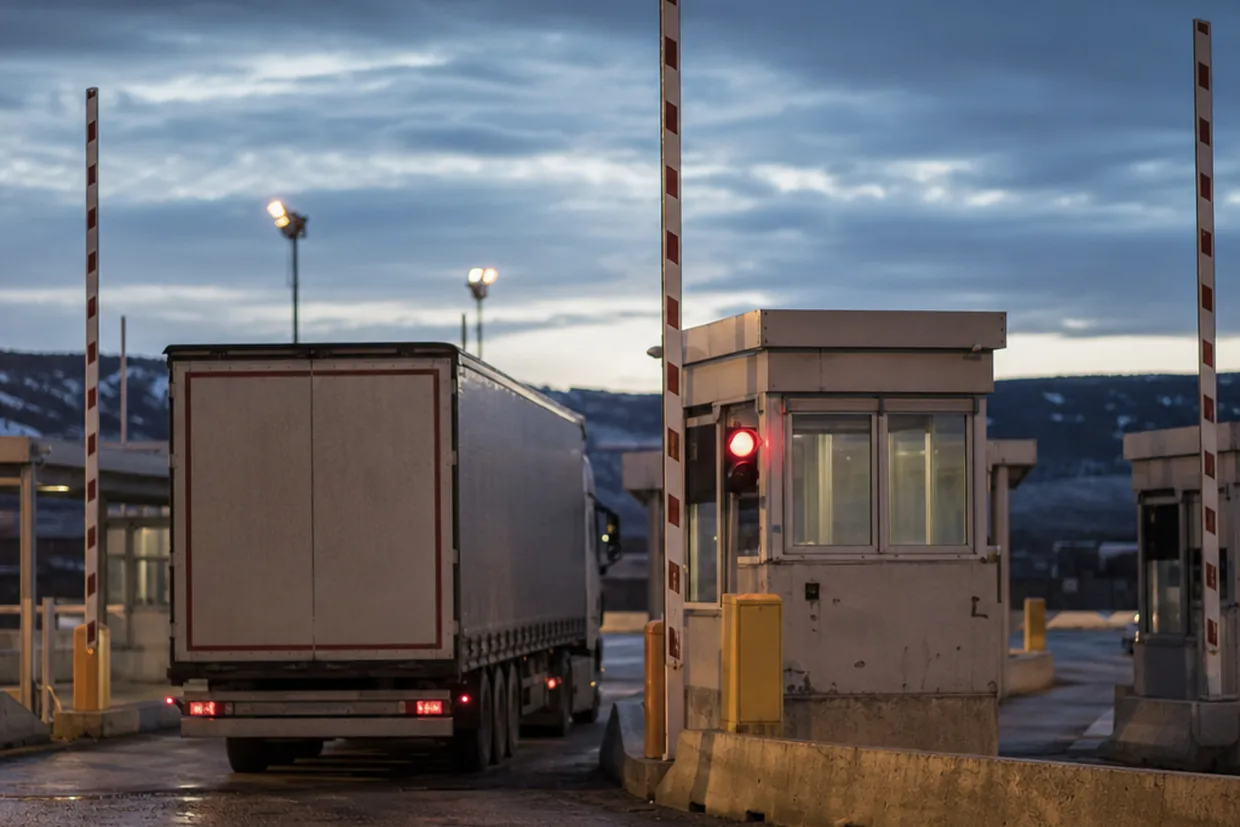
Motion prepares the manifest and CBSA paperwork for your crossing. You are not left to navigate forms at the port of entry on your own.
Your household goods stay on Motion’s truck from Los Angeles to Montreal. There is no hand-off to a second carrier, which removes the most common source of border delays and damage claims.
Professional wrapping, padding, and blanket protection for furniture, mirrors, and fragile items. Packing materials and labour are scoped during the video-call assessment.
Coverage is built into your written quote. There are no separate brokerage or insurance line items added after the fact.
If your Montreal move-in date changes, Motion holds your shipment at hubs in Montreal, Toronto, or Vancouver at no penalty for reasonable schedule shifts.
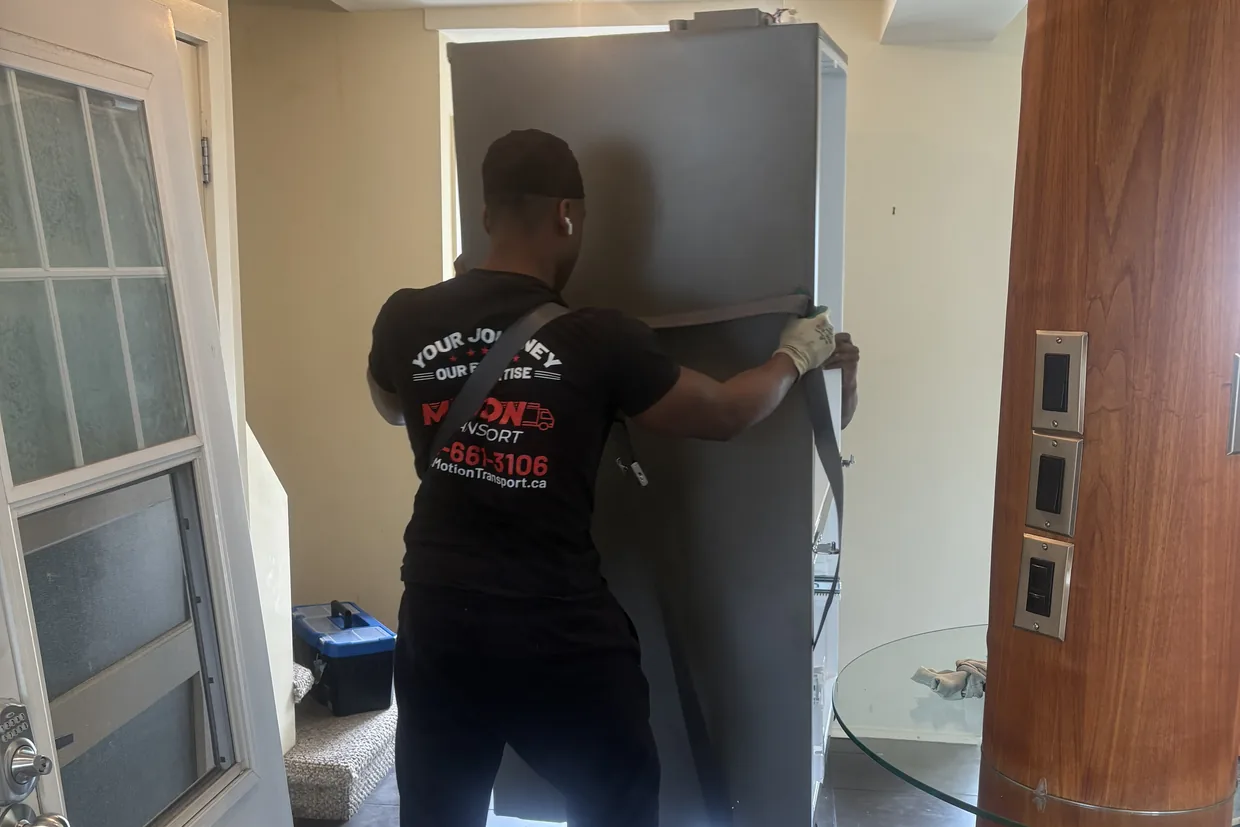

Motion provides a firm delivery window in the written quote and calls with a rolling ETA once the truck is on the road.
No. Motion operates one truck and one crew from Los Angeles to Montreal. There is no transfer to a second carrier at the crossing. Your goods remain in Motion’s chain of custody the entire way, which reduces the risk of delay and damage that typically occurs at carrier hand-off points.
Used personal and household effects are generally duty-free when you are relocating to Canada. Conditions apply: returning Canadian residents must have owned and used the goods abroad for at least six months under tariff item 9805.00.00. First-time settlers are assessed under separate CBSA conditions. Motion prepares the required forms but cannot guarantee duty outcomes.
Yes. Motion runs the Montreal to Los Angeles direction on the same one-carrier model. Return loads allow for scheduling that a one-way-only operation cannot offer, and the same customs handling and no-transfer policy applies in that direction.
The primary CBSA forms are the BSF186 goods-to-follow list for items not accompanying you at the border and the BSF186A for goods you bring with you, both filed at the port of entry. Motion prepares and reviews these with you before the crossing so the manifest is complete and accurate when the truck arrives at the border.
A specialist reviews your inventory on a short video call and issues your quote the same day.