Los Angeles to Toronto is a coast-to-coast cross-border haul — one truck, customs handled, door to door with no transfer. Roughly ~4,000 km of driving.
A Los Angeles to Toronto move is a federally regulated cross-border shipment. Your carrier must hold operating authority in both the United States and Canada, declare your household effects at the port of entry, and file the correct goods-to-follow documentation with Canada Border Services Agency. Motion handles licensing, the customs manifest, and the border crossing under one contract.
When household goods enter Canada as part of a relocation, the owner or their agent files Form BSF186, the personal effects accounting document, along with Form BSF186A, the accompanying goods list, at the port of entry with Canada Border Services Agency. These forms declare what is in the shipment and establish that the goods qualify for duty-free importation. Motion prepares both forms so the customer does not need to source a customs broker separately.
Used personal and household effects are generally admitted duty-free when a person is relocating to Canada, but the conditions differ by situation. Settlers bringing goods to Canada for the first time are assessed under settler’s effects provisions. Returning Canadian residents must have owned and used the goods outside Canada for at least six months under tariff item 9805.00.00 to qualify for duty-free entry. Neither category is automatic; documentation must support the claim at the border.
The most direct routing from Los Angeles to Toronto crosses into Canada at the Ambassador Bridge between Detroit, Michigan and Windsor, Ontario, roughly 4,000 km from Los Angeles via I-10 east and I-94. The Ambassador Bridge is the busiest commercial border crossing in North America by trade volume.
Many cross-border household moves use a US carrier to the border and a separate Canadian carrier from the border onward. The transfer point is where rehandling damage and scheduling gaps most commonly occur, and the customer has no single point of accountability for the shipment. Motion holds operating authority on both sides and runs one truck from Los Angeles to Toronto, keeping the chain of custody unbroken from loading to delivery.
Fill out the form beside this and a Motion specialist will follow up to schedule your video-call assessment.
Moving from Los Angeles to Toronto covers roughly 4,000 km of road, crossing into Canada most commonly at the Ambassador Bridge between Detroit and Windsor. Motion Transport loads your household goods in Los Angeles and delivers them in Toronto on the same truck with the same crew. There is no transfer to a second carrier at the border, which is the point in a cross-border move where delays and damage most often occur. Customs documentation is prepared by Motion, not handed off to a broker you have never spoken to.
This corridor runs in both directions. Motion moves Toronto to Los Angeles on the same schedule, filling the return truck rather than driving it empty, which keeps the operation efficient.
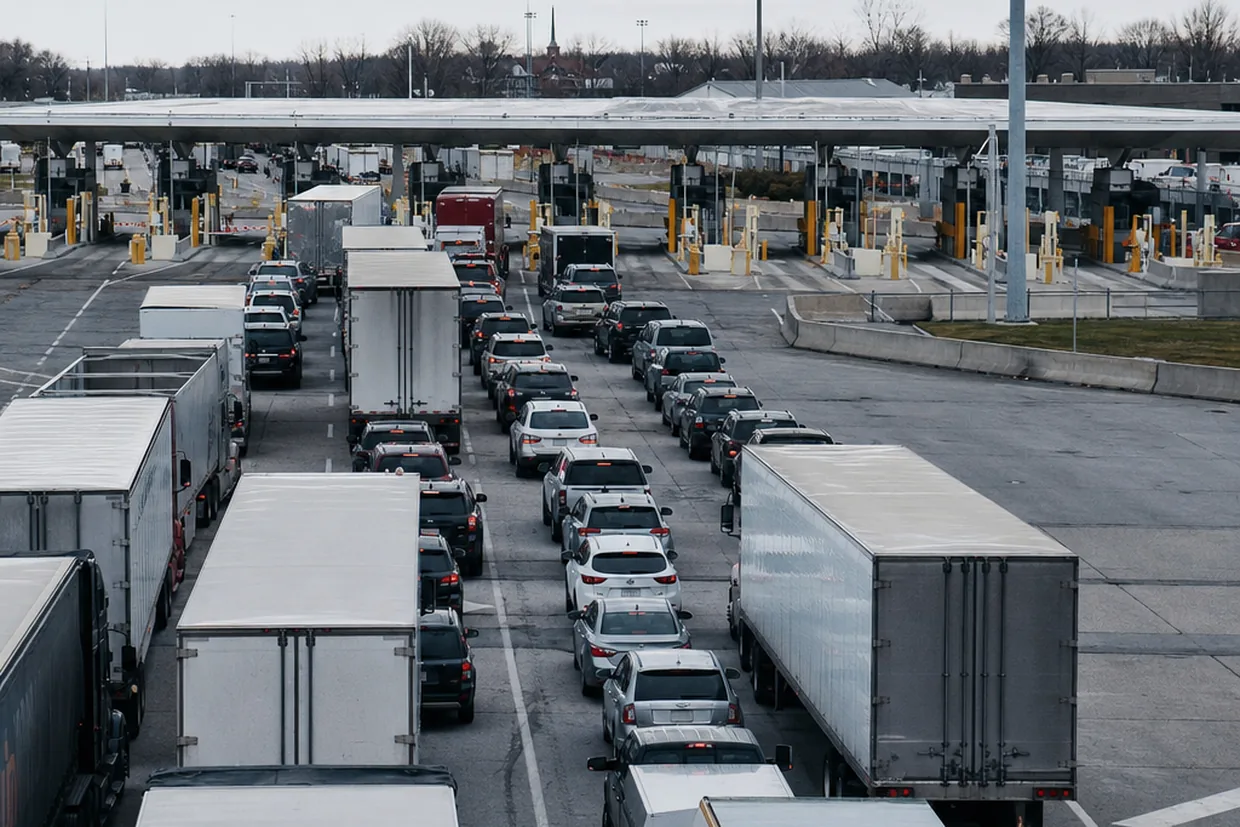
Motion prepares the Canadian customs manifest, BSF186 goods-to-follow list, and accompanying forms. You do not source a separate broker.
One truck and one crew carry your goods from Los Angeles to Toronto. Your shipment never changes hands at the crossing.
Professional wrapping, padding, and blanket protection for furniture and fragile items before the truck rolls.
Coverage is built into your written quote. No separate policy to purchase and no surprise line item on delivery day.
If your Toronto move-in date shifts, Motion holds your shipment at its Toronto, Montreal, or Vancouver facility until you are ready.
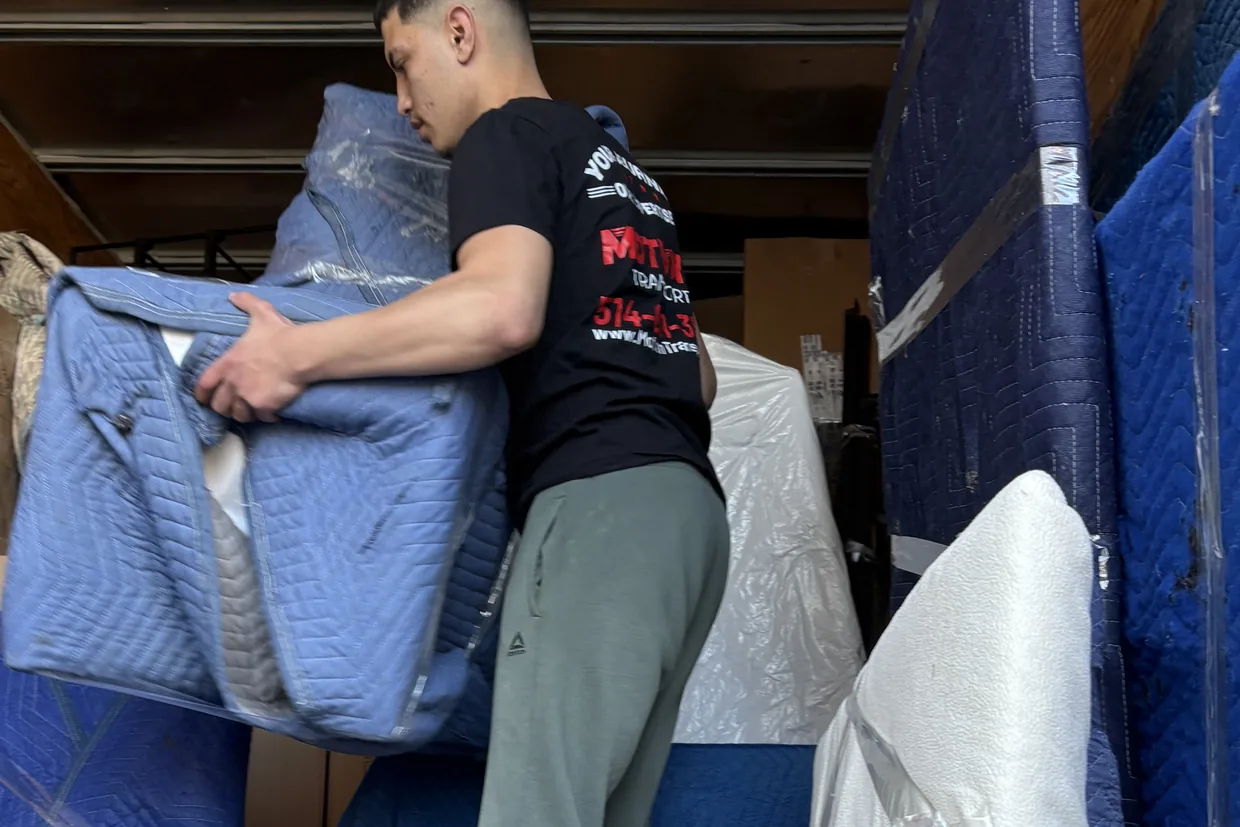

Motion provides a written estimated delivery window after the video-call assessment, and calls with a live ETA once the truck is rolling.
No. Motion operates one carrier end to end. Your goods stay on the same truck with the same crew from Los Angeles to Toronto. There is no transfer to a Canadian partner carrier at the border crossing.
Used personal and household effects are generally duty-free for people relocating to Canada. Settlers bringing goods for the first time and returning residents face different conditions under Canadian customs rules. Motion prepares your paperwork but you should confirm your personal eligibility with a customs adviser.
Motion prepares the BSF186 goods-to-follow list and the BSF186A accompanying goods list, filed with Canada Border Services Agency at the port of entry. These declare your household effects so they clear without a separate broker filing on your behalf.
Yes. Motion runs this corridor in both directions on the same one-carrier model. The Toronto to Los Angeles direction is a scheduled route, not a backhaul arrangement, so service levels are the same each way.
A specialist calls you back after a short video-call walkthrough of your Los Angeles home.